A complete guide to choosing the right orthodontic treatment for your lifestyle and smile goals
Straightening your teeth is no longer just about metal brackets and wires. Today, patients have more options than ever, with Invisalign and traditional braces both offering highly effective results. The challenge is not whether treatment works, but which option is the best fit for your lifestyle, comfort, and long-term goals.
At All About Smile Dental Group, serving patients in Encino, Chino, and Rancho Cucamonga, one of the most common questions is whether Invisalign is better than braces. The answer depends on several factors, including age, dental complexity, and personal preferences.
How Invisalign and Braces Work
Both Invisalign and traditional braces are designed to gradually move teeth into proper alignment, improving both function and appearance.
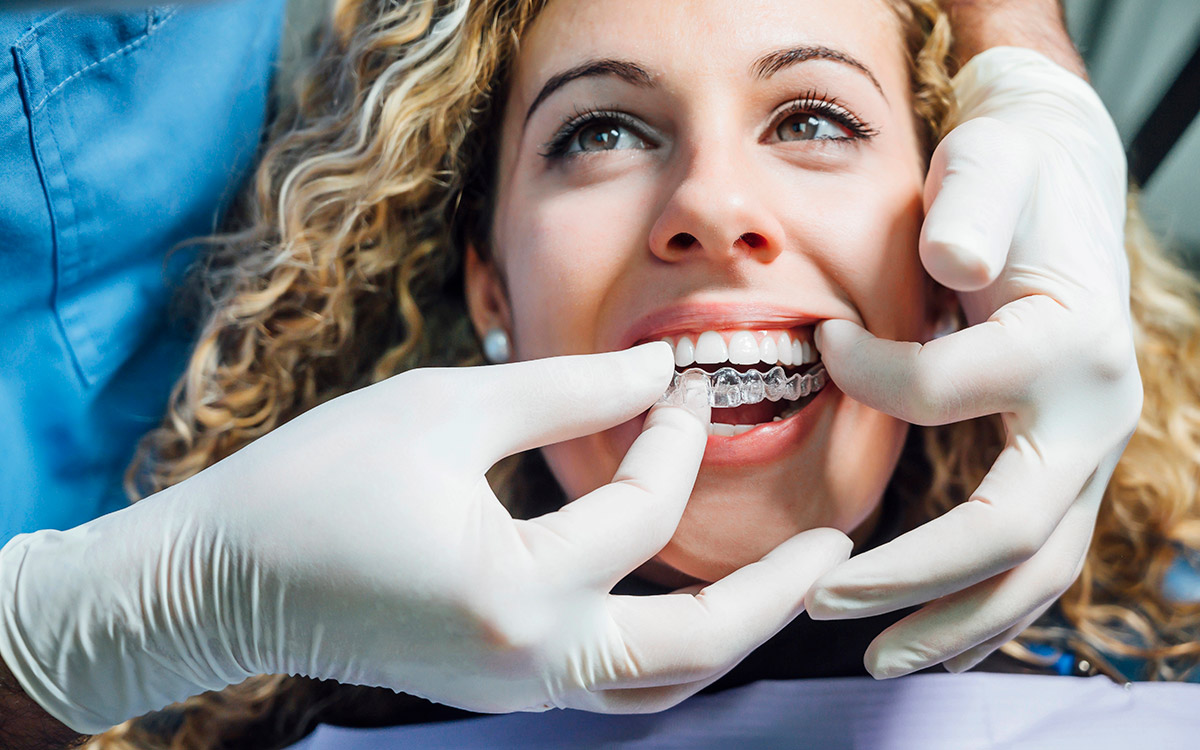
Invisalign uses a series of clear, removable aligners that are custom-made to shift teeth step by step. Each set of aligners is worn for about one to two weeks before moving to the next.
Braces, on the other hand, use brackets and wires that are fixed to the teeth. Adjustments are made periodically by a dentist or orthodontist to guide teeth into the desired position.
While both systems achieve the same goal, the experience of wearing them is entirely unique.
“The best orthodontic treatment is not just about results, it is about choosing an option you can comfortably commit to every day.”
Appearance: Clear Aligners vs Traditional Braces
One of the biggest reasons patients choose Invisalign is its nearly invisible appearance. The clear aligners allow teens and adults to straighten their teeth without drawing attention, which is especially appealing for professionals and older patients.
Braces are more noticeable, although modern options like ceramic or tooth-colored brackets can make them less visible than traditional metal braces.
For teens, the decision often comes down to confidence and lifestyle. Some prefer the discreet look of Invisalign, while others are comfortable with braces, especially since they are a more common part of teenage orthodontic treatment.
Comfort and Daily Experience
Comfort is another major consideration.
Invisalign aligners are smooth and custom-fitted, which generally makes them more comfortable. There are no wires or brackets that can irritate the inside of the mouth. However, patients may feel slight pressure when switching to a new set of aligners, which is a sign that the treatment is working.
Braces can cause more noticeable discomfort, especially after adjustments. The brackets and wires may also cause irritation, particularly in the early stages of treatment.
That said, both options involve some level of discomfort as teeth shift, which is a normal part of orthodontic care.
Removability and Lifestyle Flexibility
One of Invisalign’s major advantages is that it is removable.
Patients can take out their aligners when eating, drinking anything except water, brushing, and flossing. This means there are no food restrictions, and maintaining oral hygiene is often easier compared to braces.
Braces, however, are fixed in place. Patients need to avoid certain foods like popcorn, sticky candy, and crunchy snacks that can damage brackets or wires. Cleaning around braces also requires extra care and tools.
The trade-off is responsibility. Invisalign must be worn 20 to 22 hours per day to be effective. If patients forget or choose not to wear them consistently, treatment can be delayed.
“Invisalign offers flexibility, but braces offer consistency. Choosing between them often comes down to discipline versus convenience.”
Effectiveness: Which One Works Better?
Both Invisalign and braces are highly effective, but they are not always interchangeable.
Braces are often the better option for more complex cases, such as severe crowding, significant bite issues, or large gaps. Because they are fixed in place, they provide precise control over tooth movement.
Invisalign works very well for mild to moderate alignment issues and many common orthodontic concerns. Advances in technology have expanded its capabilities, but certain complex cases may still benefit more from traditional braces.
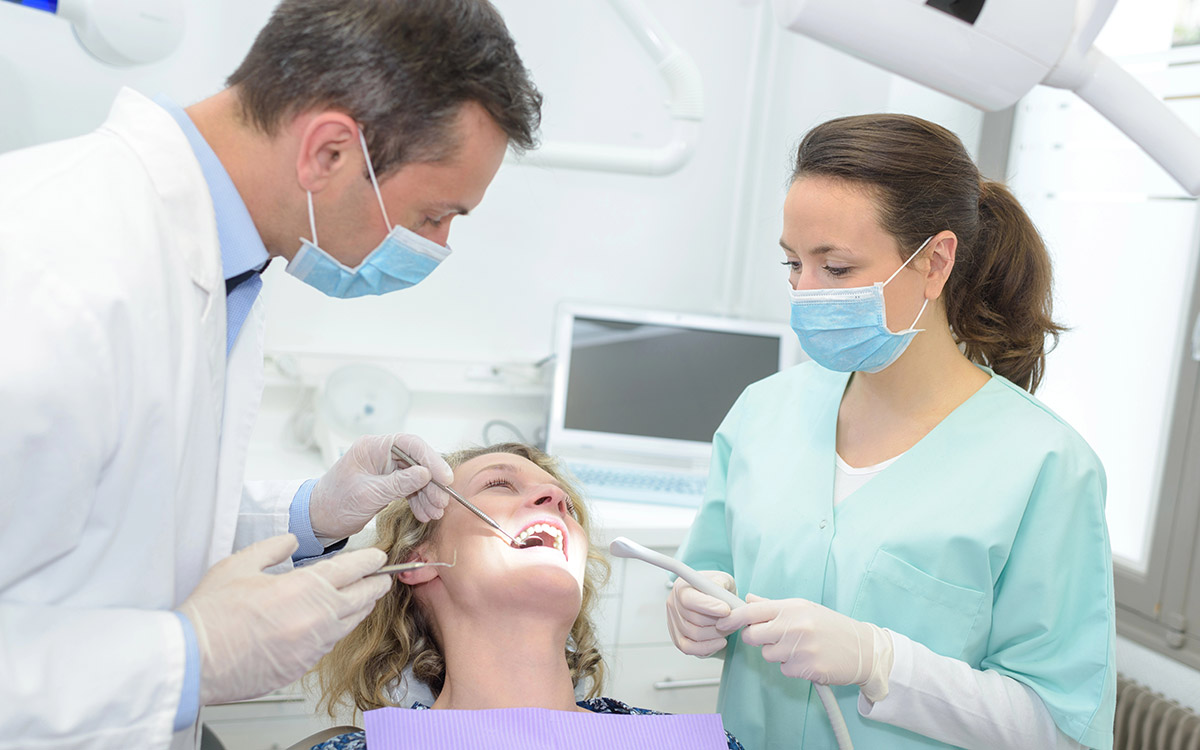
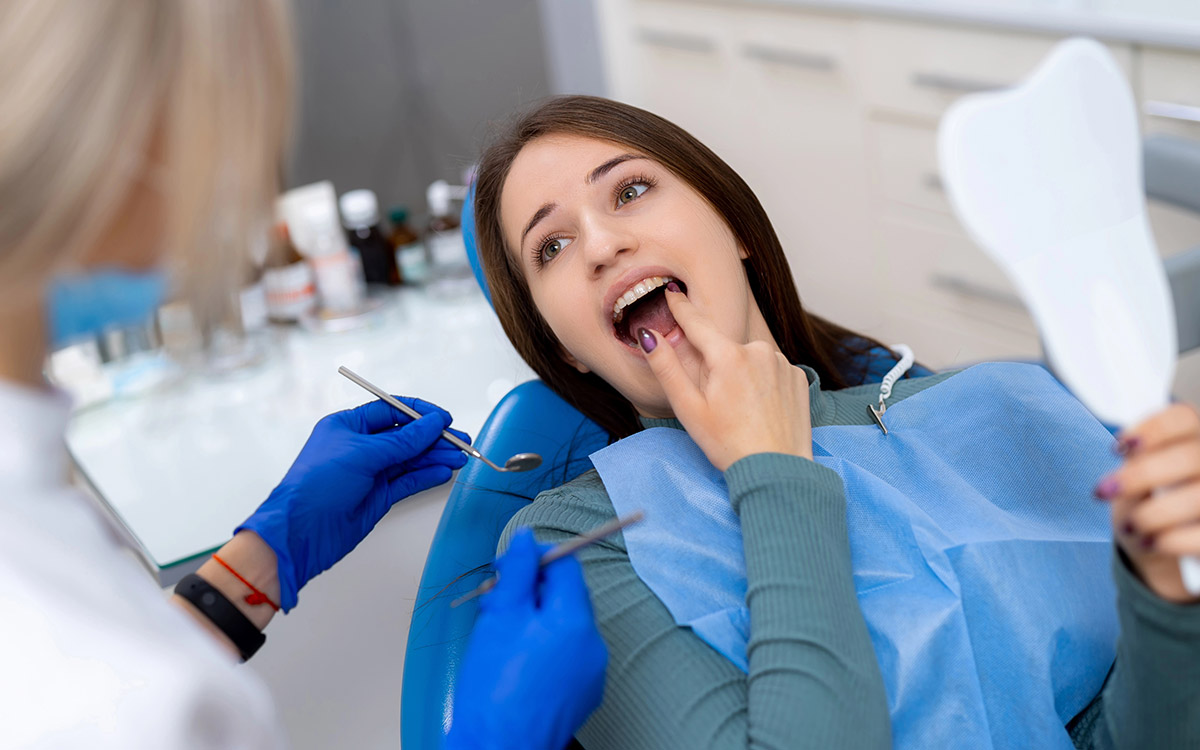
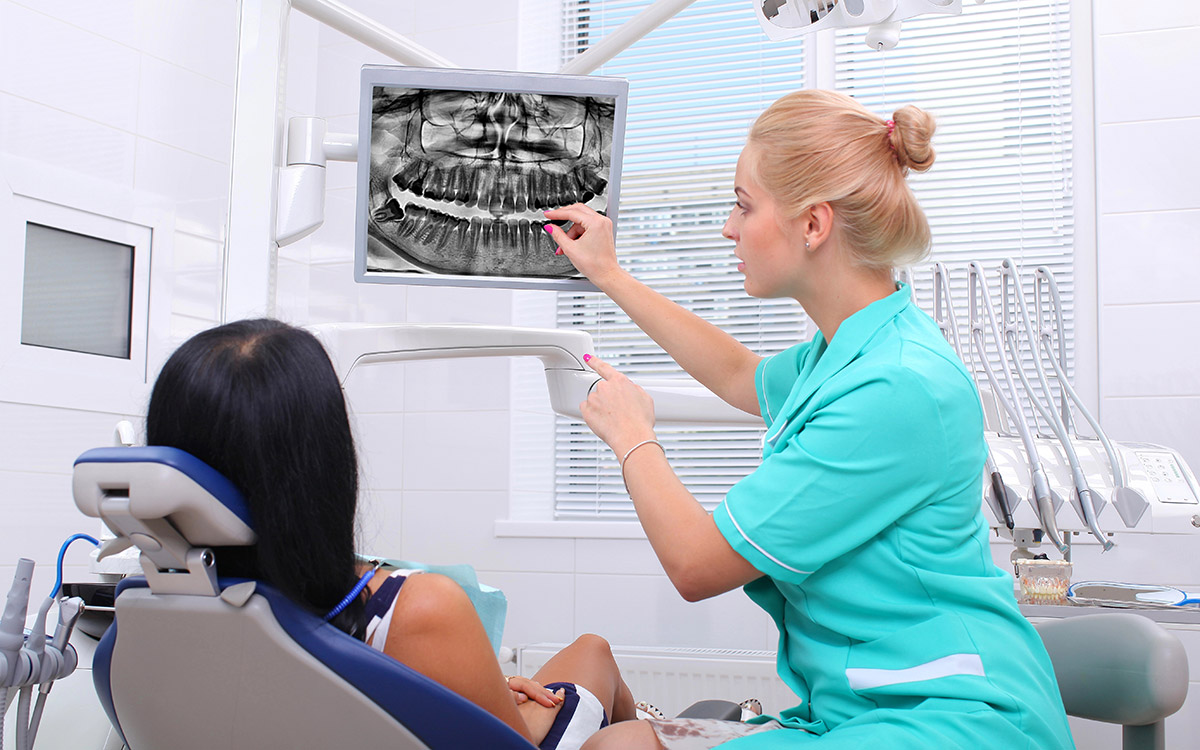
A professional evaluation is essential to determine which option will deliver the best results for your specific needs.
Treatment Time: Is One Faster Than the Other?
Treatment time varies depending on the complexity of the case, not just the method used.
Invisalign treatment typically ranges from 6 to 18 months for many patients, while braces may take 12 to 24 months or longer for more complex cases.
However, compliance plays a major role. Invisalign can be faster if aligners are worn as directed. If not, treatment can take longer than expected.
Braces, being fixed, remove the variable of patient compliance, which can make timelines more predictable.
Cost Considerations
The cost of Invisalign and braces is often comparable, although it can vary based on the complexity of treatment and the length of time required.
Often, Invisalign may be slightly more expensive due to the technology and customization involved. However, dental insurance may cover a portion of both treatments.
At All About Smile Dental Group, patients receive a personalized treatment plan that outlines costs clearly, along with available payment options.
Which Option Is Best for Teens vs. Adults?
For teens, both Invisalign and braces can be excellent options. Invisalign Teen includes features like compliance indicators to help ensure aligners are worn as directed.
Braces are often recommended for younger patients who may not want the responsibility of wearing and keeping track of aligners.
For adults, Invisalign is often the preferred choice due to its discreet appearance and flexibility. Many adults appreciate being able to straighten their teeth without it being obvious in professional or social settings.
Conclusion: The Right Choice Is a Personalized One
Invisalign and braces are not universally applicable. Both options are highly effective, but the right choice depends on your dental needs, lifestyle, and commitment to treatment.
What matters most is choosing a solution that you can stick with consistently, because consistency is what ultimately delivers the best results.
FAQs
Is Invisalign as effective as braces?
For many cases, yes. However, braces may be better for more complex alignment or bite issues.
Does Invisalign hurt less than braces?
Invisalign is generally more comfortable, but both treatments involve some pressure as teeth move.
Can teens use Invisalign?
Yes, Invisalign is designed for teens as well as adults, with features to support compliance.
Which is faster, Invisalign or braces?
It depends on the case and patient compliance. Invisalign can be faster if worn correctly.
Start Your Smile Transformation Today
If you are considering Invisalign or braces, the best way to decide is through a professional consultation. Schedule an appointment with All About Smile Dental Group in Encino, Chino, or Rancho Cucamonga today and take the first step toward a straighter, more confident smile.