
Why Regular Dental Cleanings Are One of the Most Effective Ways to Protect Your Smile and Overall Health.
Most people brush their teeth every day, floss when they remember, and try to maintain excellent oral hygiene habits. While these daily routines are essential, they are only one aspect of maintaining a healthy smile. Even the most diligent brushing and flossing routine cannot completely remove all plaque, tartar, and bacteria that accumulate over time.
This scenario is where professional teeth cleanings are important. Professional dental cleanings are one of the most important preventive services offered by dentists, helping patients maintain healthy teeth and gums while reducing the risk of future dental problems. Yet many people view cleanings as simply a cosmetic treatment designed to make teeth look brighter.
The reality is that professional teeth cleanings do far more than improve appearance. They help prevent cavities, reduce the risk of gum disease, support overall health, and allow dental professionals to identify potential concerns before they become serious.
At All About Smile Dental Group, routine cleanings are considered a cornerstone of preventive dentistry. By combining professional care with consistent at-home oral hygiene, patients can enjoy healthier smiles, fresher breath, and greater confidence for years to come.
“A professional dental cleaning does more than polish your teeth. It helps protect your entire oral health foundation.”
Why Brushing Alone Is Not Enough
Brushing and flossing are critical daily habits, but even people with excellent oral hygiene can miss certain areas of the mouth. The back molars, spaces between teeth, and areas along the gumline are particularly difficult to clean thoroughly.
Throughout the day, bacteria naturally accumulate in the mouth and form a sticky film known as plaque. If plaque is not removed regularly, it hardens into tartar, also called calculus. Unlike plaque, tartar cannot be removed with a toothbrush or floss. Once it develops, specialized dental instruments are required for safe and effective removal.
When tartar remains on the teeth and around the gums, it creates an environment where harmful bacteria can thrive. Over time, this buildup can contribute to cavities, gum inflammation, gum disease, bad breath, and even tooth loss.
Professional cleanings remove these deposits before they have an opportunity to cause significant damage. Dental hygienists are trained to access areas that patients often miss and use advanced tools designed to remove plaque and tartar without harming the teeth.
Even patients who have never experienced a cavity can benefit from professional cleanings because prevention is always easier and less expensive than treatment.
The Connection Between Professional Cleanings and Gum Health
One of the most significant benefits of routine dental cleanings is the prevention of gum disease.
Gum disease is one of the most common oral health conditions affecting adults. It begins as gingivitis, an early stage characterized by redness, swelling, and bleeding gums. At this stage, the condition is often reversible with professional treatment and improved oral hygiene.
Unfortunately, many patients ignore these early warning signs because they do not experience pain. Without intervention, gingivitis can progress into periodontitis, a more serious form of gum disease that can damage supporting bone and connective tissues around the teeth.
As gum disease advances, patients may experience gum recession, loose teeth, chronic bad breath, and eventual tooth loss.
Professional cleanings play an essential role in preventing this progression. By removing plaque and tartar from along and below the gumline, dental hygienists help eliminate the bacterial buildup that contributes to inflammation and infection.
For patients who have already experienced gum disease, more frequent cleanings may be recommended to help maintain periodontal health and reduce the likelihood of recurrence.
Healthy gums are the foundation of a healthy smile, and regular cleanings are one of the most effective tools for protecting them.
Professional Cleanings Help Prevent Cavities
Cavities develop when bacteria produce acids that weaken and erode tooth enamel. While cavities are common, they are also largely preventable.
Plaque contains many of the bacteria responsible for tooth decay. If plaque remains on the teeth for extended periods, these bacteria continue producing acids that gradually break down enamel.
Professional cleanings remove plaque and tartar before they can contribute to significant enamel damage. During the cleaning process, the teeth are also polished, helping remove surface stains and making it more difficult for plaque to adhere to the tooth surfaces.
Routine dental visits also allow dentists to identify small areas of decay before they become larger cavities. Early detection often means simpler and less invasive treatment.
When left untreated, cavities can eventually reach deeper layers of the tooth, potentially leading to infections, root canals, crowns, or tooth extractions. Regular cleanings help reduce the likelihood of these more extensive procedures.
Patients often assume that cavities are inevitable. In reality, a combination of good oral hygiene, proper nutrition, and routine professional cleanings can dramatically reduce the risk of tooth decay.
“The best cavity treatment is preventing one from forming in the first place.”
Fresh Breath and a Brighter Smile
While the health benefits of professional cleanings are significant, many patients also appreciate the cosmetic advantages.
Bad breath, also known as halitosis, is frequently caused by bacteria that accumulate on the teeth, gums, and tongue. Even individuals who brush regularly may struggle with persistent bad breath if plaque and tartar are present.
Professional cleanings remove much of the bacterial buildup responsible for unpleasant odors, helping patients enjoy fresher breath and increased confidence.
Cleanings also help remove many common surface stains caused by coffee, tea, red wine, soda, and certain foods. While a cleaning is not the same as professional teeth whitening, it can noticeably improve the appearance of the smile by eliminating external discoloration.
Patients often leave their appointments feeling refreshed and more confident about their appearance. This boost in confidence can positively impact social interactions, professional settings, and everyday life.
A healthy smile is often one of the first things people notice, and routine cleanings help keep that smile looking its best.
Supporting Your Overall Health
The benefits of professional dental cleanings extend beyond the mouth.
Researchers continue to study the connection between oral health and overall health, and growing evidence suggests that chronic oral inflammation may be linked to various systemic conditions.
Poor oral health has been associated with increased risks of cardiovascular disease, diabetes complications, respiratory infections, and other inflammatory conditions. While maintaining oral health does not guarantee protection from these conditions, reducing chronic inflammation and bacterial burden may contribute to better overall wellness.
For patients with diabetes, maintaining healthy gums is particularly important because gum disease can make blood sugar management more difficult. Likewise, certain medical conditions and medications can increase the risk of oral health problems, making preventive dental care even more valuable.
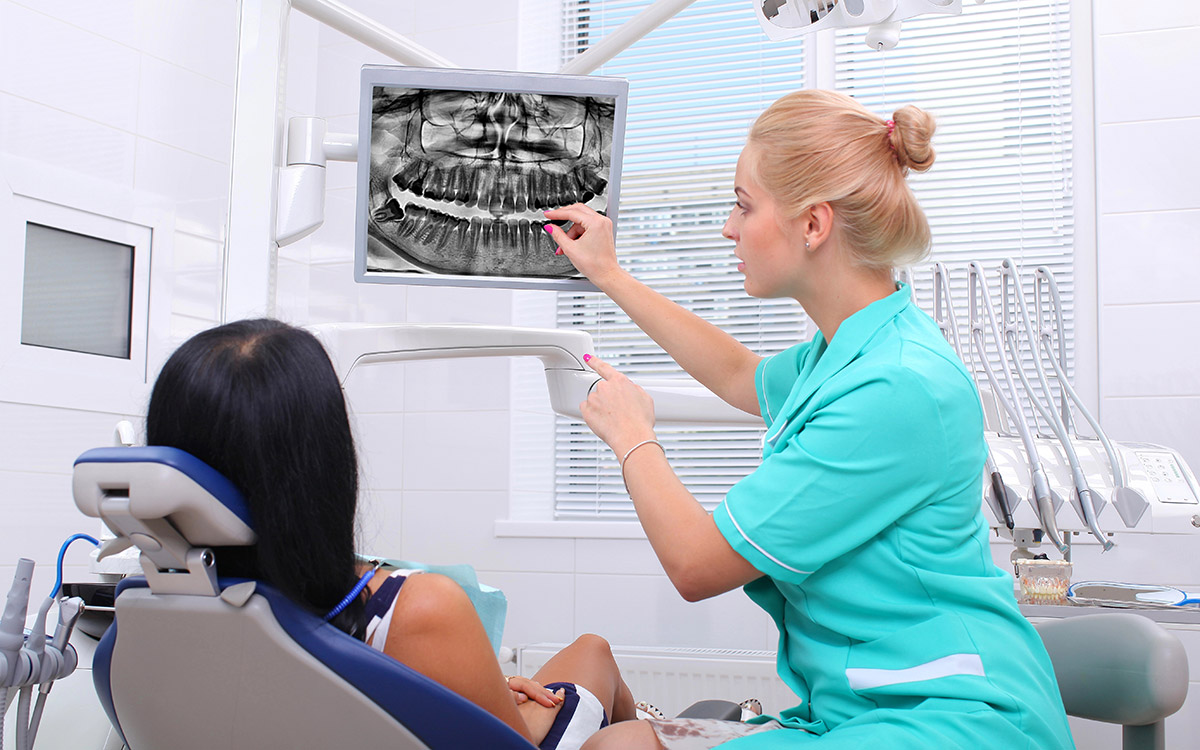
Routine cleanings provide an opportunity for dental professionals to monitor oral health changes and identify potential concerns that may require further evaluation.
Taking care of your smile is an important part of taking care of your body as a whole.
What Happens During a Professional Teeth Cleaning?
Many patients know they should schedule regular cleanings but are unsure what the process actually involves.
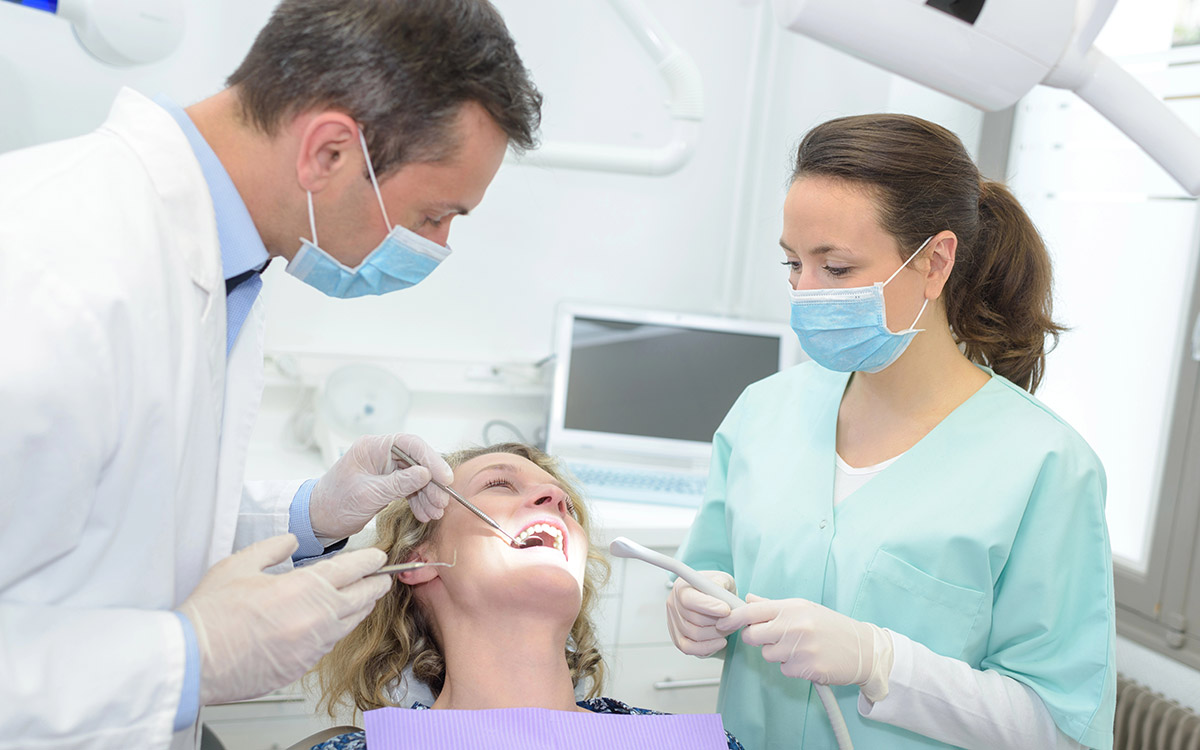
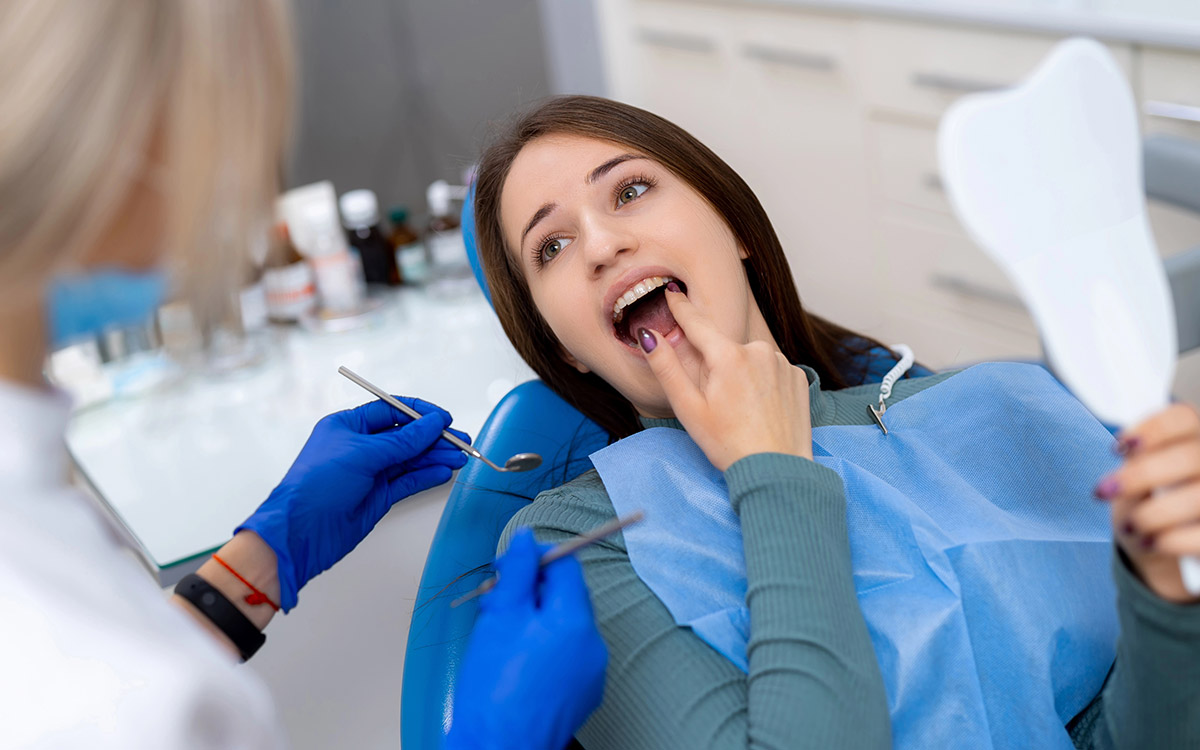
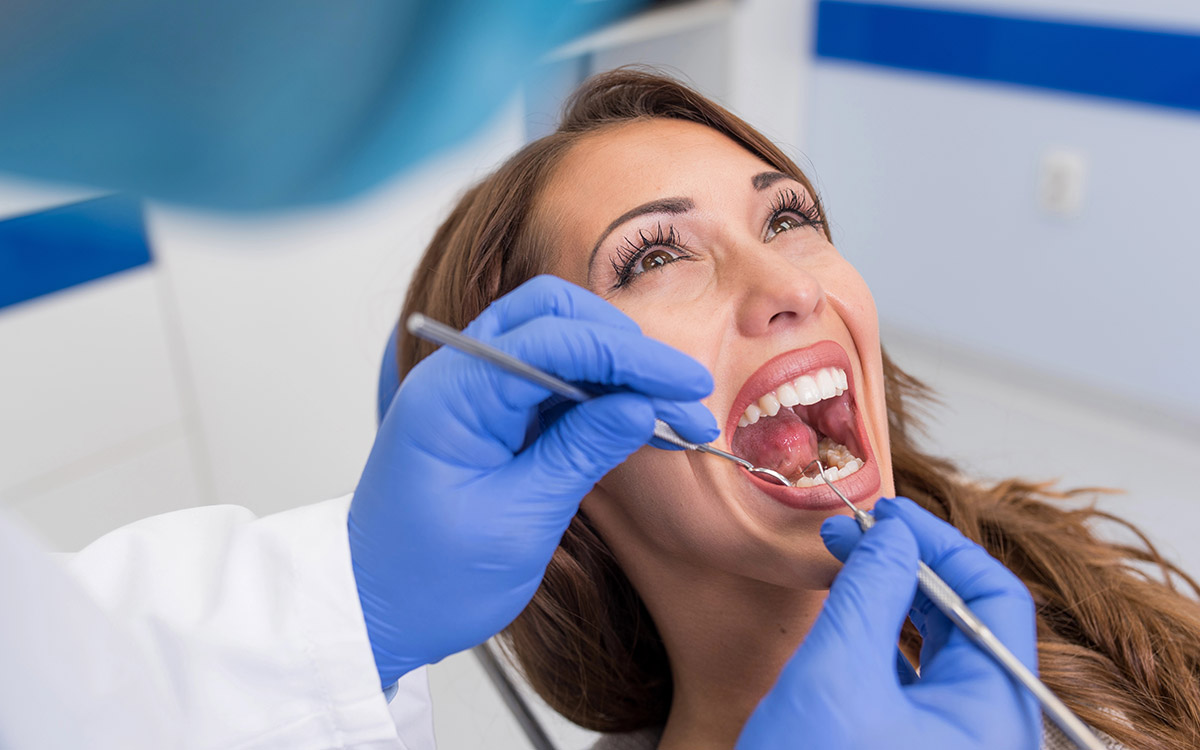
A professional cleaning typically begins with an examination of the teeth and gums. The dental team evaluates overall oral health and identifies any areas that may require additional attention.
Using specialized instruments, the hygienist carefully removes plaque and tartar from the surfaces of the teeth and around the gumline. Areas that are difficult to clean at home receive special attention.
Once buildup has been removed, the teeth are polished using a professional-grade polishing paste. This process helps remove minor surface stains and leaves the teeth feeling smooth and clean.
Flossing is typically performed to ensure any remaining debris is removed from between the teeth. Depending on the patient’s needs, fluoride treatments may also be recommended to strengthen enamel and reduce cavity risk.
The appointment often concludes with personalized oral hygiene recommendations designed to help patients maintain their results between visits.
The entire process is generally comfortable and provides significant preventive benefits.
How Often Should You Schedule Professional Cleanings?
For many patients, professional cleanings every six months provide an effective schedule for maintaining oral health.
However, some individuals may benefit from more frequent visits. Patients with gum disease, a history of frequent cavities, diabetes, smoking habits, or certain medical conditions may require cleanings every three to four months.
Children, seniors, and individuals undergoing orthodontic treatment may also need customized care schedules.
The best frequency depends on each patient’s unique needs and risk factors. A dentist can recommend a personalized schedule based on a comprehensive oral health evaluation.
Consistency is key. Regular appointments allow dental professionals to monitor changes over time and address concerns before they become more serious.
Frequently Asked Questions
Do professional teeth cleanings hurt?
Most cleanings are comfortable and cause minimal discomfort. Patients with sensitive teeth or inflamed gums may experience temporary sensitivity, but the procedure is generally well tolerated.
Can a cleaning whiten my teeth?
Professional cleanings can remove many surface stains and make teeth appear brighter. However, they do not provide the same level of whitening achieved through professional whitening treatments.
Is flossing still necessary if I get regular cleanings?
Yes. Professional cleanings complement daily oral hygiene but do not replace brushing and flossing at home.
How long does a dental cleaning take?
Most routine cleanings take approximately 30 to 60 minutes, depending on the patient’s needs and the amount of buildup present.
What happens if I skip regular cleanings?
Skipping cleanings increases the risk of plaque and tartar buildup, cavities, gum disease, bad breath, and more extensive dental treatment in the future.
Schedule Your Professional Cleaning Today
Professional teeth cleanings are one of the simplest and most effective ways to protect your oral health. They help prevent cavities, reduce the risk of gum disease, improve breath, enhance the appearance of your smile, and support long-term dental wellness.
At All About Smile Dental Group, patients receive comprehensive preventive care designed to keep their smiles healthy and beautiful. With locations in Chino, Encino, and Rancho Cucamonga, the experienced team is committed to helping patients of all ages achieve excellent oral health through personalized dental care.
Schedule your appointment with All About Smile Dental Group today and experience the lasting benefits of professional teeth cleanings.