
How Dental Crowns Restore Strength, Function, and Confidence to Damaged Teeth.
A healthy tooth is designed to withstand years of chewing, biting, and daily use. However, even the strongest teeth can become weakened over time due to decay, fractures, large fillings, trauma, or normal wear and tear. When a tooth becomes compromised, protecting it before further damage occurs is often one of the most important steps in preserving your oral health.
One of the most common and effective restorative dentistry solutions is a dental crown. Dental crowns have been used for decades to strengthen weakened teeth, restore function, and improve appearance. Despite being one of the most frequently recommended dental treatments, many patients are unsure what a crown actually does, when it is needed, or what to expect during the procedure.
At All About Smile Dental Group, dental crowns are often used to help patients save damaged teeth that might otherwise require extraction. By restoring strength and stability, crowns can significantly extend the life of a tooth while allowing patients to eat, speak, and smile with confidence.
When patients understand how dental crowns work and the situations in which dentists may recommend them, they can make informed decisions about their oral health.
“A dental crown does more than repair a damaged tooth. It helps protect your natural smile for years to come.”
What Is a Dental Crown?
A dental crown is a custom-made restoration that completely covers the visible portion of a tooth above the gumline. Sometimes referred to as a “cap,” a crown fits securely over the existing tooth structure, restoring its shape, size, strength, and appearance.
Unlike fillings, which repair only a specific portion of a tooth, crowns provide comprehensive protection by encasing the entire visible tooth. This makes them an ideal solution for teeth that have suffered significant damage or structural weakening.
Modern dental crowns are designed to look and function like natural teeth. Advances in dental materials have made it possible to create restorations that closely match the color, texture, and translucency of surrounding teeth.
Depending on the patient’s needs, crowns may be fabricated from porcelain, ceramic, porcelain fused to metal, zirconia, or other durable materials. Many patients prefer all-ceramic or zirconia crowns because they provide excellent aesthetics while maintaining exceptional strength.
Once permanently bonded in place, a crown becomes an integral part of the tooth, allowing patients to chew comfortably and smile confidently.
Common Reasons a Dental Crown May Be Recommended
There are many situations in which a dentist may recommend a dental crown. While every patient’s circumstances are unique, crowns are commonly used when a tooth requires more support than a filling can provide.
One of the most frequent reasons for a crown is extensive tooth decay. When a cavity becomes too large, removing the decay may leave insufficient healthy tooth structure to support a traditional filling. A crown provides reinforcement and protection for the remaining tooth.
Cracked or fractured teeth are another common indication. Even small cracks can worsen over time as daily biting forces subject the tooth to stress. A crown helps stabilize the tooth and reduce the risk of additional damage.
Teeth that have undergone root canal therapy often benefit from crowns as well. Following root canal treatment, a tooth may become more brittle and susceptible to fracture. A crown helps restore strength and protect the tooth from future complications.
Crowns are also frequently used to replace large, aging fillings that have weakened a tooth over many years. In some cases, patients may have fillings that occupy a significant portion of the tooth structure, making a crown a more reliable long-term solution.
Additionally, crowns can be used for cosmetic improvements when a tooth is severely discolored, misshapen, or aesthetically compromised.
Signs You May Need a Dental Crown
Patients often wonder how they can tell whether a crown may be necessary. While only a dental examination can provide a definitive answer, certain symptoms may indicate that a tooth requires additional protection.
Persistent tooth pain when chewing or biting may suggest structural damage or a fracture. Sensitivity to hot or cold temperatures that does not resolve may also indicate underlying issues.
Visible cracks, chips, or broken portions of a tooth should always be evaluated promptly. Even if discomfort is minimal, structural damage can worsen over time.
Large cavities, recurring decay around existing fillings, or fillings that repeatedly fail may also signal the need for a crown.
In some cases, patients notice that a tooth appears worn down, weakened, or significantly different from surrounding teeth. These changes may indicate that the tooth is no longer adequately supported.
Ignoring these warning signs can increase the risk of more extensive damage, potentially leading to root canal treatment or tooth loss. Early evaluation often allows for more conservative and effective treatment options.
The Dental Crown Procedure: What to Expect
One reason some patients delay treatment is uncertainty about the crown process. Fortunately, modern dental crowns are a routine and highly predictable procedure.
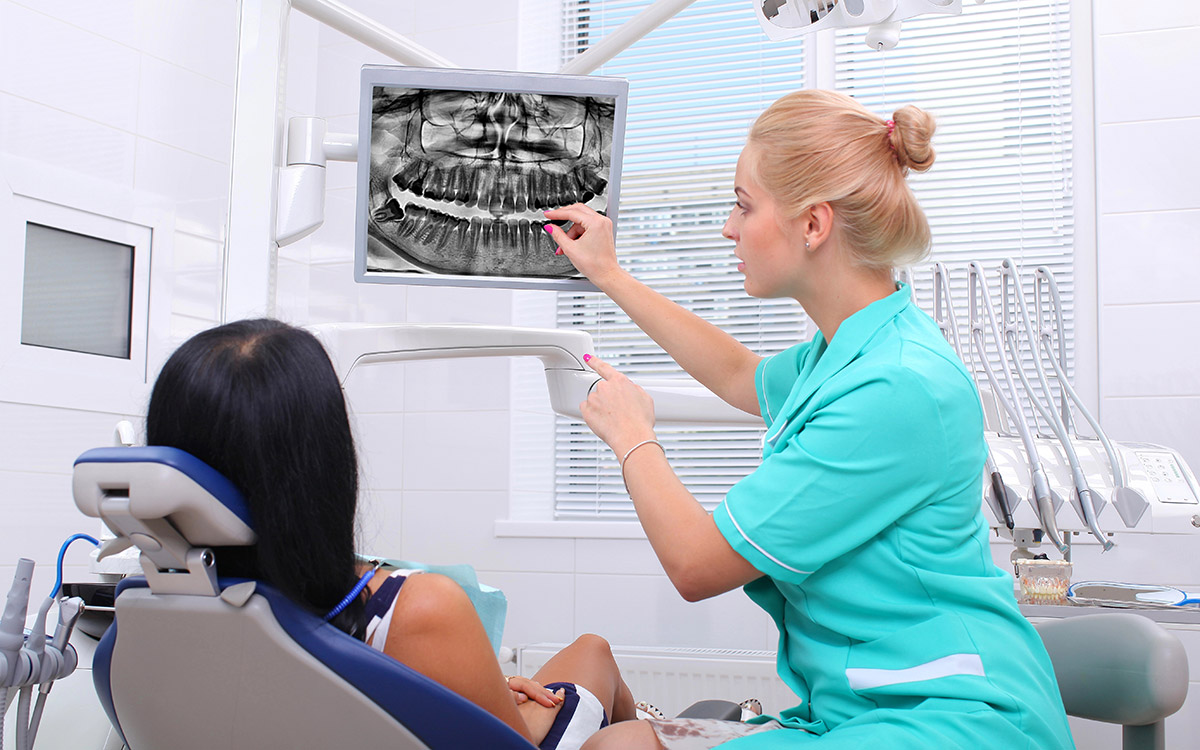
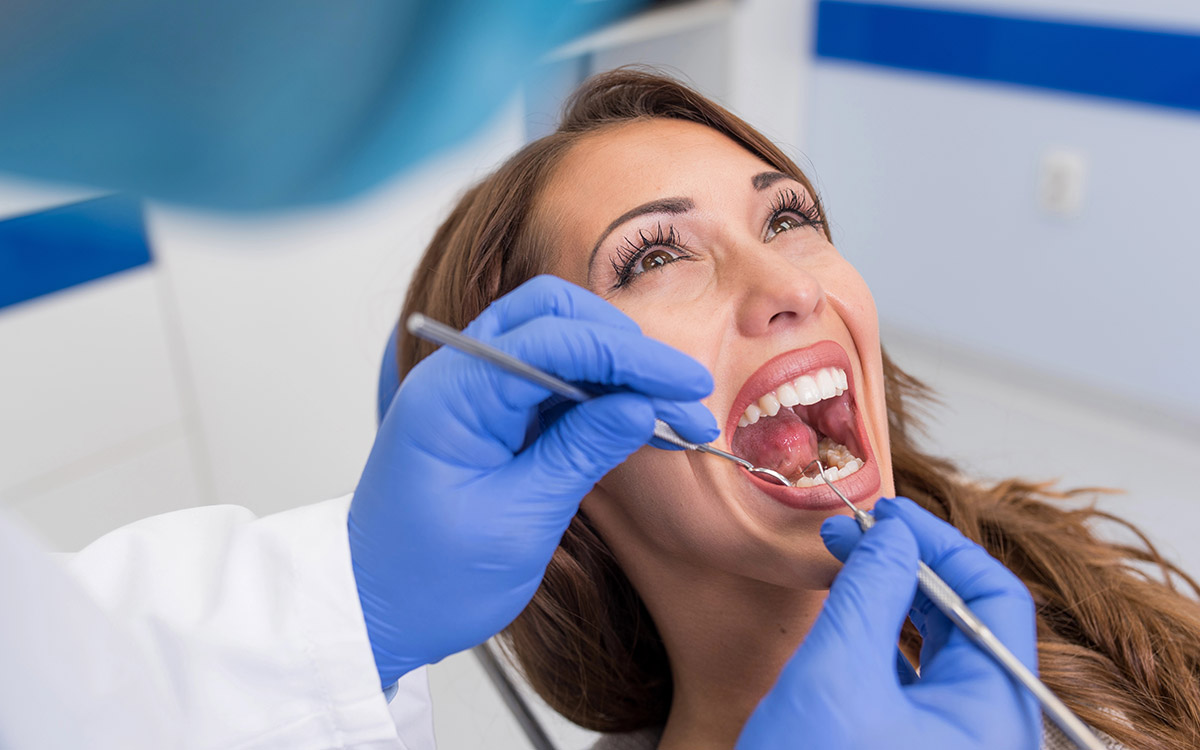
The first step involves a comprehensive examination of the affected tooth. Digital X-rays may be taken to evaluate the underlying structure and determine whether a crown is the most appropriate solution.
Once treatment is recommended, the tooth is carefully prepared by removing damaged or weakened portions while preserving as much healthy structure as possible.
After preparation, detailed impressions or digital scans are taken. These records are used to create a custom crown designed specifically for the patient’s bite, tooth shape, and smile aesthetics.
A temporary crown is often placed to protect the tooth while the permanent restoration is being fabricated.
During a subsequent appointment, the permanent crown is carefully fitted and evaluated. The dentist checks the bite, shape, color, and overall appearance before permanently bonding the crown into place.
Most patients quickly adapt to their new crown and can resume normal activities shortly after treatment.
Advancements in dental technology have made crowns more comfortable, durable, and natural-looking than ever before.
“Modern dental crowns are designed to blend seamlessly with your smile while providing long-term protection and strength.”
How Long Do Dental Crowns Last?
One of the most common questions patients ask is how long a dental crown will last.
While no dental restoration lasts forever, crowns are known for their durability and longevity. With proper care, many crowns can last 10 to 15 years or longer. Some patients enjoy even longer success depending on their oral hygiene habits, lifestyle factors, and overall dental health.
Several factors influence the lifespan of a crown. Regular brushing and flossing help prevent decay around the edges of the restoration. Routine dental checkups allow dentists to monitor the crown and address any issues early.
Patients who grind or clench their teeth may place additional stress on crowns. In these situations, a custom nightguard may be recommended to protect both natural teeth and restorations.
Avoiding habits such as chewing ice, opening packages with teeth, or biting extremely hard objects can also help extend the life of a crown.
Like natural teeth, crowns benefit from consistent preventive care and professional monitoring.
The Benefits of Choosing a Dental Crown
Dental crowns offer numerous advantages beyond simply repairing a damaged tooth.
One of the most important benefits is preservation. Crowns often allow patients to save natural teeth that might otherwise require extraction. Preserving natural teeth remains one of the primary goals of modern dentistry.
Crowns also restore normal chewing function. Patients who experience discomfort or instability due to damaged teeth often find that a crown allows them to eat comfortably again.
Aesthetic improvements are another significant benefit. Modern crowns are carefully designed to blend with surrounding teeth, creating a natural and attractive appearance.
For many patients, crowns also provide peace of mind. Knowing that a weakened tooth has been reinforced can reduce anxiety about future fractures or complications.
Most importantly, crowns support long-term oral health by protecting vulnerable teeth and reducing the need for more extensive treatment later.
Caring for Your Dental Crown
Maintaining a dental crown is very similar to caring for natural teeth.
Patients should continue brushing twice daily using fluoride toothpaste and flossing regularly around the crown. You should pay special attention to the area where the crown meets the gumline, as plaque can accumulate in this region.
Routine dental cleanings and examinations remain essential. During these visits, dentists can evaluate the integrity of the crown and ensure the surrounding tooth structure remains healthy.
If a crown feels loose, becomes damaged, or causes discomfort, patients should contact their dentist promptly for evaluation.
With proper maintenance, crowns can provide years of reliable function and protection.
Frequently Asked Questions
Does getting a dental crown hurt?
The procedure is typically performed using local anesthesia to ensure patient comfort. Most patients experience little to no discomfort during treatment.
Can a crown get a cavity?
The crown itself cannot develop decay, but the natural tooth underneath can still be affected if proper oral hygiene is not maintained.
Are dental crowns noticeable?
Modern crowns are designed to closely match the appearance of natural teeth, making them difficult to distinguish from surrounding teeth.
Can I eat normally with a crown?
Yes. Once the permanent crown is securely bonded and any initial sensitivity subsides, patients can typically enjoy normal eating habits.
Is a crown better than a filling?
It depends on the amount of remaining tooth structure. Large areas of damage may require a crown because it provides greater protection and support than a filling.
Schedule an Appointment to Restore and Protect Your Smile
When a tooth becomes damaged, weakened, or vulnerable to further decay, timely treatment can make all the difference. Dental crowns provide a reliable solution for restoring strength, function, and appearance while helping preserve natural teeth whenever possible.
At All About Smile Dental Group, patients receive personalized restorative dental care designed to protect long-term oral health and create lasting results. With locations in Chino, Encino, and Rancho Cucamonga, the experienced dental team uses modern techniques and high-quality materials to deliver durable, natural-looking dental crowns.
Schedule an appointment with All About Smile Dental Group today to learn whether a dental crown can help restore and protect your smile.