
Why Regular Dental Visits Are Essential for Protecting Your Smile and Overall Health.
Most people have heard the recommendation to visit the dentist every six months. It is one of the most common pieces of oral health advice, yet many people wonder whether that timeline truly applies to everyone. Some individuals maintain excellent oral health and rarely experience dental issues, while others may struggle with cavities, gum disease, or other concerns despite diligent brushing and flossing.
The truth is that there is no universal schedule that fits every patient. Factors such as age, oral hygiene habits, medical conditions, lifestyle choices, and dental history all play a role in determining how often someone should visit the dentist. However, one thing remains clear: routine dental visits are among the most effective ways to prevent serious oral health problems before they become painful, costly, and difficult to treat.
At All About Smile Dental Group, patients often ask whether regular checkups are truly necessary if their teeth feel fine. The answer may surprise them. Many dental conditions develop silently and show few symptoms until significant damage has already occurred. Regular examinations and professional cleanings allow dental professionals to detect concerns early, helping patients maintain healthier smiles and avoid more extensive procedures in the future.
“Preventive dental care is often the simplest, most affordable way to maintain a healthy smile for life.”
Why Preventive Dental Visits Matter
Dental problems rarely appear overnight. Cavities, gum disease, enamel erosion, and even oral infections often develop gradually over months or years. During the early stages, patients may experience little to no discomfort, making it easy to assume everything is fine.
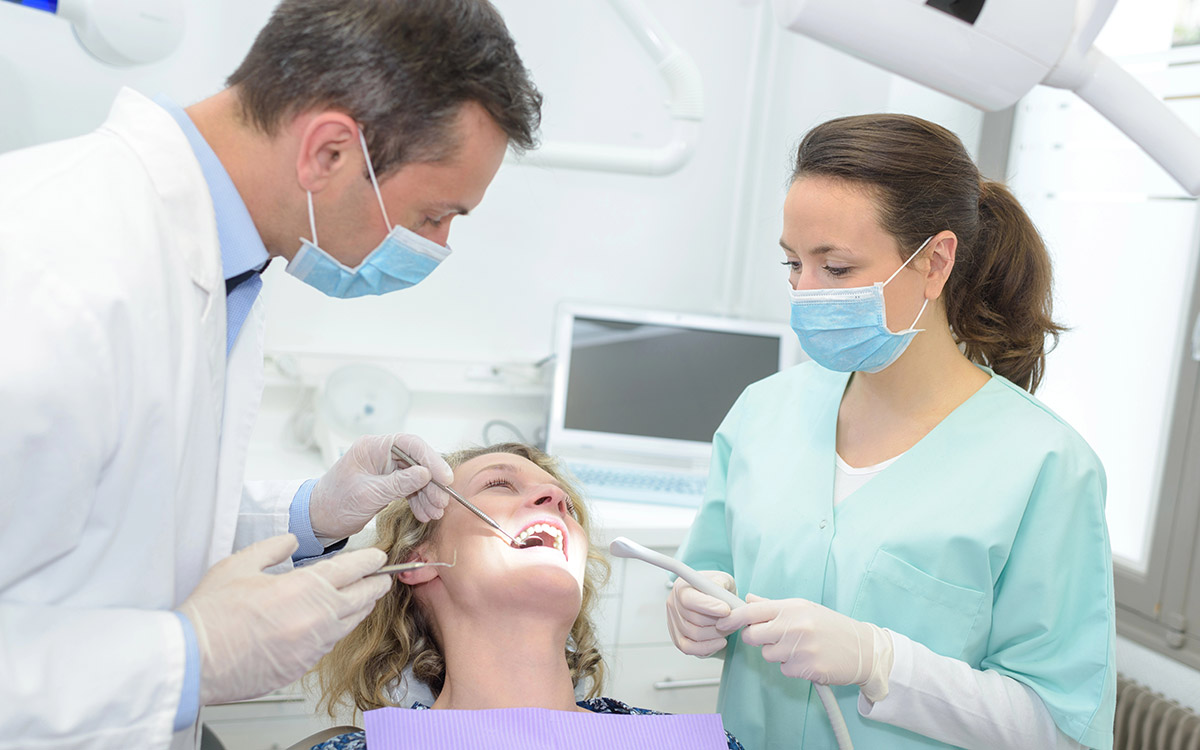
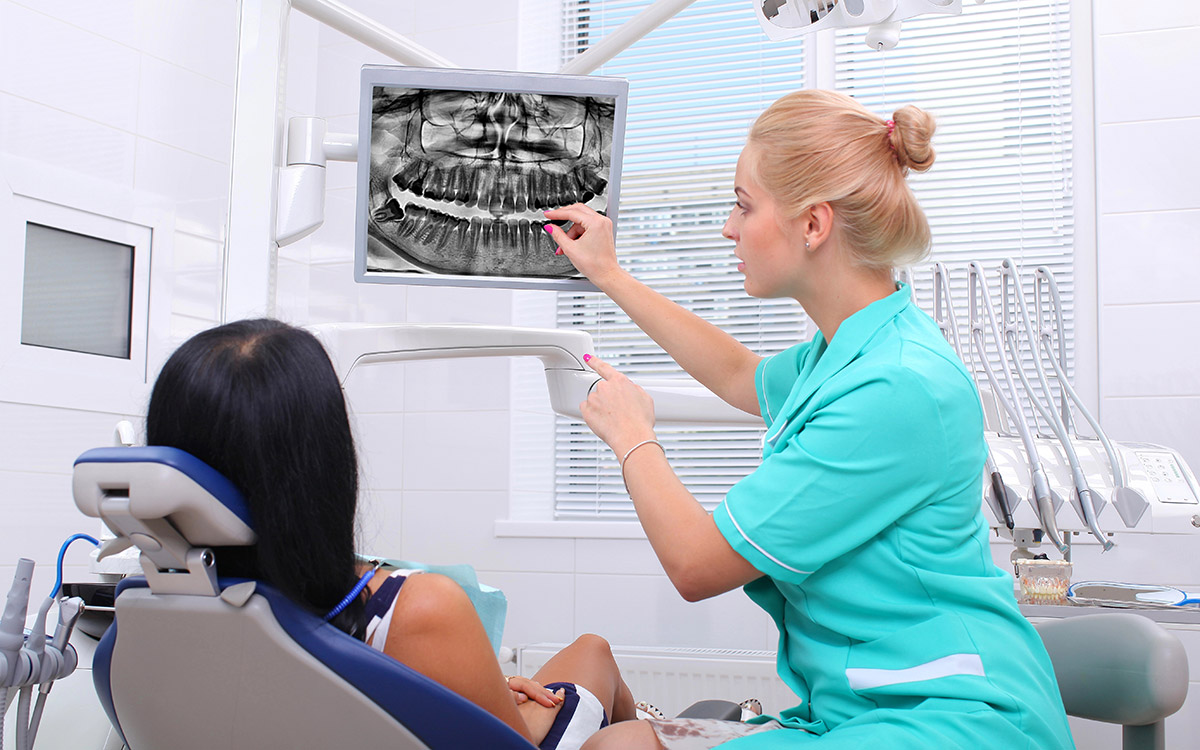
Routine dental visits allow dentists to identify these issues before they become more serious. During a typical examination, the dental team evaluates the health of the teeth, gums, jaw, bite alignment, and surrounding oral structures. X-rays may also be used to detect problems hidden beneath the surface, such as cavities between teeth, bone loss, impacted teeth, or infections.
Professional cleanings are equally important. Even patients who brush and floss consistently can accumulate plaque and tartar in hard-to-reach areas. Once tartar forms, it cannot be removed with a toothbrush alone. Professional instruments are required to safely eliminate these deposits before they contribute to decay or gum disease.
Preventive appointments often help patients avoid more extensive treatments later. A small cavity discovered during a routine visit can usually be treated with a simple filling. If left untreated, that same cavity may eventually require a root canal or even extraction.
Beyond oral health, regular dental visits may contribute to overall wellness. Research continues to demonstrate links between oral health and systemic conditions such as diabetes, cardiovascular disease, and certain inflammatory disorders. Maintaining healthy teeth and gums is an important part of overall health.
Is Every Six Months the Right Schedule?
The six-month dental visit guideline has become widely accepted because it works well for many people. For patients with healthy teeth and gums, minimal risk factors, and good oral hygiene habits, semiannual visits often provide sufficient monitoring and preventive care.
However, not everyone falls into this category.
Some individuals may benefit from more frequent appointments. Patients with a history of gum disease, frequent cavities, diabetes, smoking habits, or compromised immune systems often require closer monitoring. In these cases, visits every three to four months may be recommended to help control disease progression and maintain oral health.
Children may also require regular visits as their teeth and jaws develop. Frequent monitoring allows dentists to identify developmental concerns early and provide guidance on proper oral hygiene habits.
Older adults may face unique challenges as well. Dry mouth caused by medications, gum recession, worn restorations, and age-related dental changes can increase the need for preventive care.
Conversely, some patients with excellent oral health and very low risk factors may be candidates for less frequent visits. Ultimately, the ideal schedule should be determined through a personalized evaluation rather than relying solely on a general rule.
Warning Signs You Should Not Wait for Your Next Appointment
One of the biggest misconceptions about dental care is that patients only need to see a dentist when they experience pain. In reality, waiting until discomfort appears often means a problem has already progressed significantly.
There are several signs that warrant scheduling a dental visit sooner rather than later:
Persistent tooth sensitivity can indicate enamel erosion, exposed roots, cavities, or cracked teeth. While occasional sensitivity may not be serious, a dental professional should evaluate ongoing discomfort.
Another common warning sign is bleeding gums. Many people assume bleeding during brushing is normal, but healthy gums generally should not bleed. Persistent bleeding may indicate gingivitis or more advanced periodontal disease.
Bad breath that does not improve with brushing and mouthwash may be linked to bacterial buildup, gum disease, cavities, or other oral health issues.
Tooth pain, swelling, loose teeth, or changes in bite alignment should also be addressed promptly. These symptoms may indicate underlying infections or structural concerns that require professional treatment.
Additionally, any sores, lumps, or unusual changes inside the mouth that persist for more than two weeks should be examined. Early detection is important for identifying potentially serious conditions.
Seeking care promptly can often prevent a minor issue from becoming a major dental problem.
“Many serious dental problems begin with symptoms so subtle that patients barely notice them until significant damage has occurred.”
What Happens During a Routine Dental Checkup?
Understanding what occurs during a routine appointment can help patients feel more comfortable and appreciate the value of preventive care.
A comprehensive dental visit typically begins with a review of the patient’s medical history and any recent changes in health. Certain medical conditions and medications can directly impact oral health, making this information important for treatment planning.
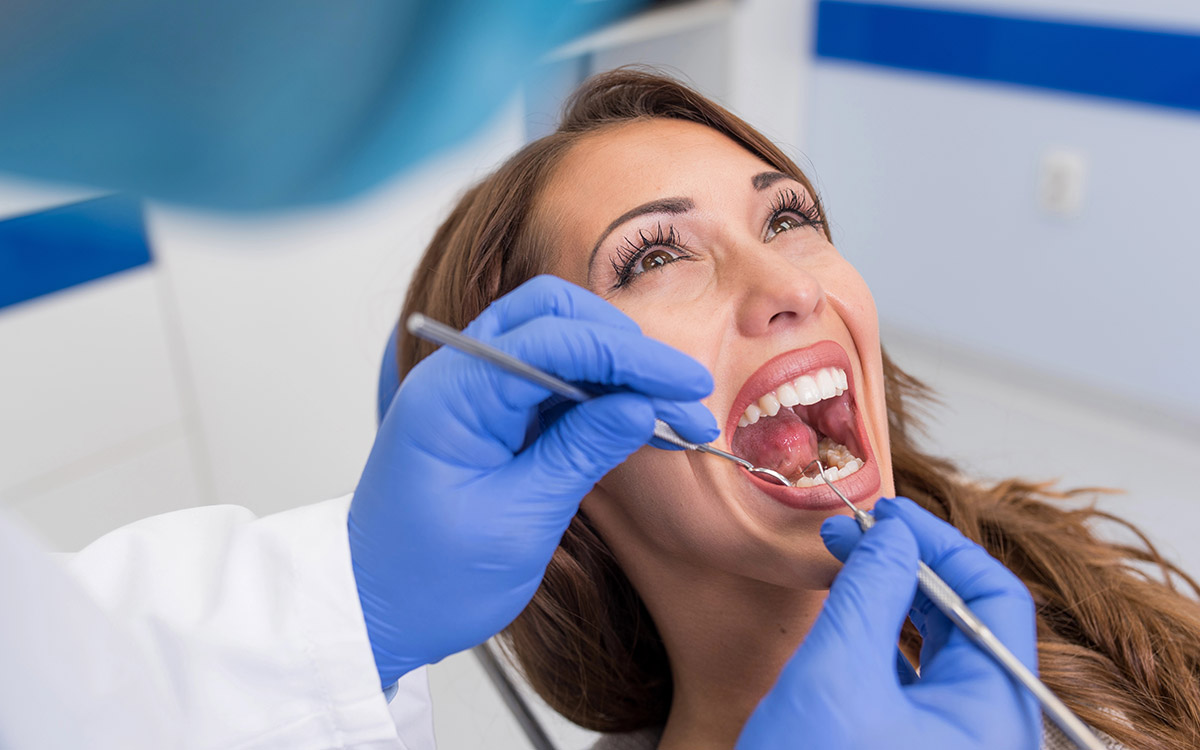
The dentist will then examine the teeth, gums, tongue, jaw joints, and soft tissues of the mouth. They look for signs of decay, infection, gum disease, oral cancer, and other abnormalities.
Depending on the patient’s needs, digital X-rays may be taken to evaluate areas not visible during a visual examination. These images help identify hidden cavities, bone loss, impacted teeth, and other concerns.
Professional cleaning follows the examination. During this process, a dental hygienist removes plaque and tartar buildup, polishes the teeth, and may provide personalized recommendations for improving home care.
Many patients also receive guidance regarding brushing techniques, flossing habits, dietary choices, and preventive treatments such as fluoride applications or sealants.
These appointments provide an opportunity to ask questions and address concerns before they become larger issues. Rather than simply reacting to problems, routine visits focus on maintaining health and preventing disease.
The Long-Term Benefits of Staying Consistent
Consistent dental care offers benefits that extend far beyond maintaining a bright smile. Patients who maintain regular appointments often experience fewer dental emergencies, lower treatment costs over time, and better overall oral health outcomes.
Preventive care helps preserve natural teeth, which remains one of the most important goals in modern dentistry. While restorative treatments have advanced significantly, no replacement can fully replicate the function and biology of a healthy natural tooth.
Regular visits also support confidence. Clean, healthy teeth and gums contribute to a more attractive smile, fresher breath, and greater comfort when speaking, eating, and interacting with others.
Financially, preventive care often represents a wise investment. Addressing problems during their earliest stages is typically far less expensive than treating advanced decay, infections, or extensive gum disease.
Perhaps most importantly, consistent dental care establishes a long-term partnership between patients and their dental team. Over time, dentists become familiar with a patient’s oral health history and can identify subtle changes more quickly, leading to more personalized and effective care.
Frequently Asked Questions
Can I skip dental visits if I brush and floss every day?
No. While excellent home care is essential, professional examinations and cleanings help detect and prevent problems that home care cannot always identify or address.
How often should children visit the dentist?
Most children benefit from dental visits every six months, although individual recommendations may vary depending on their oral health needs.
Do adults with dentures still need dental checkups?
Yes. Regular visits allow dentists to evaluate oral tissues, check denture fit, screen for oral cancer, and monitor overall oral health.
What if I have not seen a dentist in several years?
It is never too late to return to routine dental care. Scheduling an examination is the first step toward addressing any concerns and creating a plan for maintaining oral health.
Will dental visits help prevent gum disease?
Yes. Routine cleanings and examinations play a critical role in preventing and managing gum disease before it becomes more advanced.
Schedule Your Dental Appointment Today
Maintaining a healthy smile requires more than brushing and flossing at home. Regular dental visits provide professional monitoring, preventive care, and early intervention that can help protect your teeth and gums for years to come.
Whether it has been six months or several years since your last dental appointment, the team at All About Smile Dental Group is committed to helping patients achieve and maintain excellent oral health. With convenient locations in Chino, Encino, and Rancho Cucamonga, their experienced dental professionals provide comprehensive preventive and restorative care in a comfortable and welcoming environment.
Schedule an appointment with All About Smile Dental Group today and take the next step toward a healthier, more confident smile.