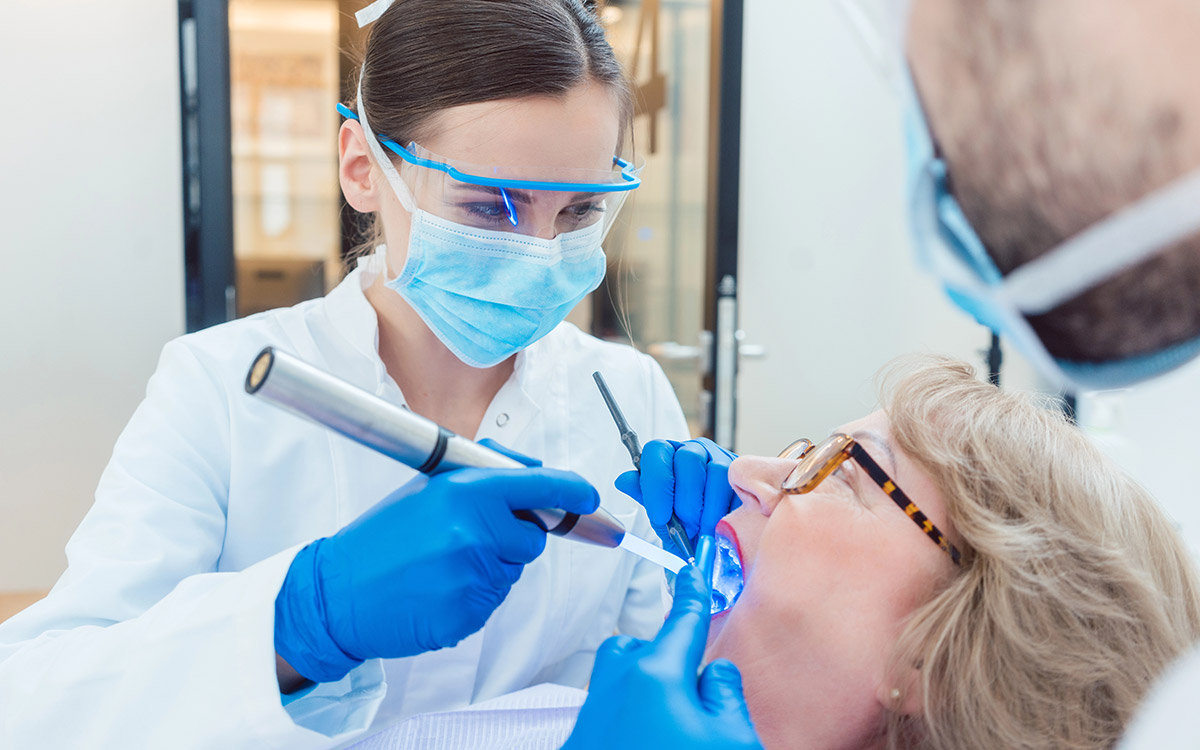
Small Habits Today Can Prevent Major Dental Costs Tomorrow
Most people consider dental visits to be something to schedule only when pain appears. In reality, preventive dentistry is one of the smartest long-term health investments you can make. Routine cleanings, exams, X-rays, and early treatment plans help stop small issues before they become expensive and painful dental emergencies.
At All About Smile Dental Group, preventive care is a major focus because many of the most serious dental problems start silently. Cavities, gum disease, enamel erosion, and infections often develop gradually without obvious symptoms. By the time discomfort begins, treatment is usually more complex and more costly.
Preventive dentistry is not just about maintaining a brighter smile. It is about protecting your overall health, reducing future dental expenses, and helping you avoid major restorative procedures down the road.
“The most affordable dental treatment is usually the one you never end up needing.”
Why Preventive Dentistry Matters More Than People Realize
Preventive dentistry includes regular dental cleanings, oral exams, fluoride treatments, sealants, digital imaging, and patient education. These appointments allow dentists to monitor subtle changes in the mouth before they become serious.
A tiny cavity caught during a routine visit may only require a simple filling. Left untreated for months or years, that same cavity can turn into a root canal, crown, or even tooth extraction. The financial difference between early treatment and delayed treatment can be dramatic.
The same applies to gum disease. Early-stage gingivitis is often reversible with professional cleanings and improved oral hygiene. Advanced periodontal disease may require deep cleanings, laser therapy, surgery, bone grafting, or dental implants.
Preventive care helps patients avoid:
- Root canals
- Tooth extractions
- Severe gum disease
- Bone loss
- Dental infections
- Emergency dental visits
- Costly restorative procedures
The goal is not simply to react to problems. The goal is to stop them from happening in the first place.
The Financial Cost of Delaying Dental Care
Many people postpone dental appointments because they want to save money. Ironically, avoiding preventive care often creates much larger expenses later.
A routine cleaning and exam is relatively affordable compared to emergency dental procedures. When issues go untreated, bacteria continue spreading deeper into the tooth structure and gums.
For example:
- A minor cavity may progress into nerve damage
- Gum inflammation may develop into periodontal disease
- Cracked enamel may lead to fractured teeth
- Untreated infections may spread into surrounding tissue
Emergency dentistry also tends to involve multiple appointments, medications, imaging, and restorative treatment. In some cases, patients may need crowns, implants, bridges, or oral surgery.
Preventive dentistry reduces the likelihood of these situations by identifying concerns early when treatment is simpler and less invasive.
Preventive Dentistry Also Protects Overall Health
The mouth is closely connected to the rest of the body. Dentists are often able to detect early warning signs of broader health conditions during routine exams.
Research has linked poor oral health to conditions such as the following:
- Heart disease
- Diabetes complications
- Respiratory infections
- Pregnancy complications
- Chronic inflammation
Gum disease, in particular, has been associated with systemic inflammation throughout the body. Bacteria from the mouth can enter the bloodstream and contribute to other health concerns over time.
Routine dental visits therefore support more than just oral hygiene. They are an important part of whole-body wellness.
At All About Smile Dental Group, preventive appointments are designed to evaluate both oral health and the early signs of developing issues that may affect long-term wellness.
The Power of Professional Cleanings
Even people with excellent brushing and flossing habits can develop plaque and tartar buildup in hard-to-reach areas. Once tartar hardens on the teeth, it cannot be removed with regular brushing alone.
Professional cleanings help:
- Remove plaque and tartar buildup
- Reduce bacteria accumulation
- Prevent gum inflammation
- Polish surface stains
- Lower cavity risk
- Improve breath freshness
Cleanings also allow dentists and hygienists to monitor changes over time. Small shifts in gum recession, bite alignment, or enamel wear may reveal developing issues long before patients notice symptoms themselves.
Consistent preventive appointments create a long-term dental history that helps providers catch subtle changes earlier.
“Preventive dentistry is not about perfection. It is about consistency.”
Why Dental X-Rays Are Important
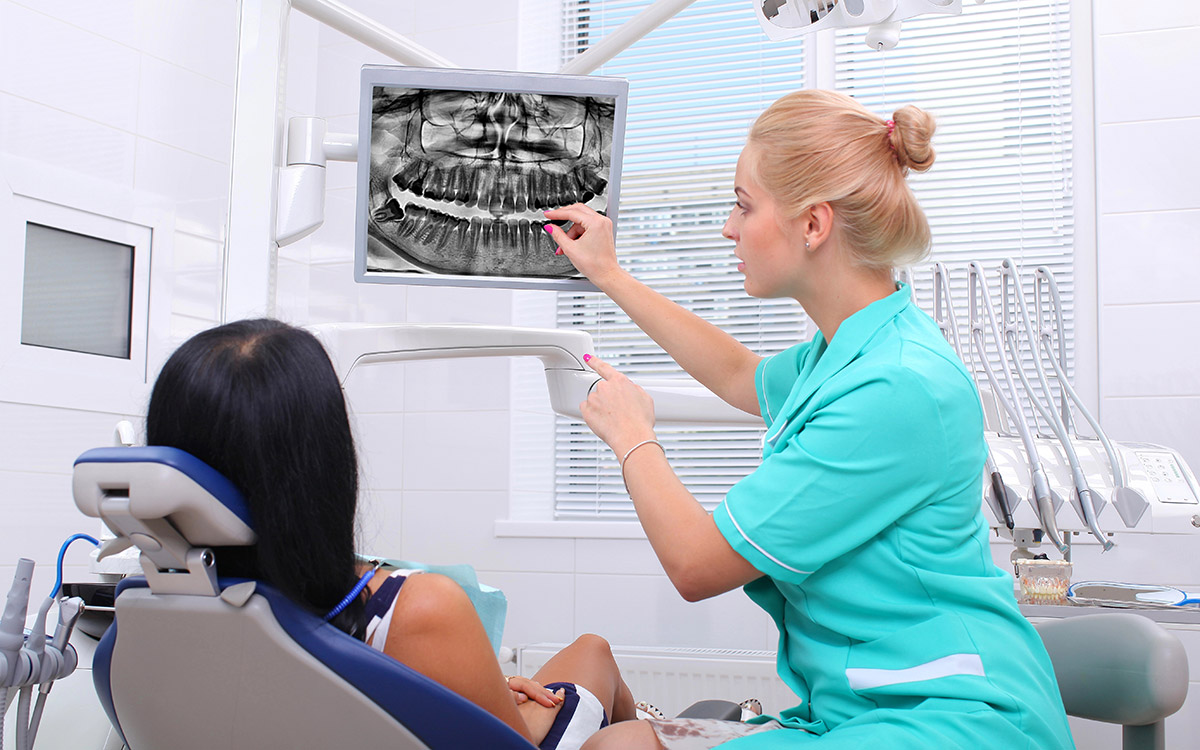
Some patients hesitate when dentists recommend routine X-rays. However, modern digital dental imaging uses significantly lower radiation levels than older systems and plays a critical role in preventive care.
X-rays help detect:
- Cavities between teeth
- Bone loss
- Impacted teeth
- Infections
- Hidden fractures
- Developing wisdom tooth issues
- Root problems
Many dental problems develop beneath the surface, making them invisible during a visual exam alone. Early imaging allows treatment before symptoms become severe.
Without preventive imaging, problems may continue progressing unnoticed until pain or visible damage appears.
Prevention Helps Preserve Natural Teeth Longer
One of the biggest long-term goals in dentistry is preserving natural teeth for as long as possible. Preventive care supports this goal by protecting enamel, gums, and bone structure.
Once you damage or lose permanent teeth extensively or entirely, treatment becomes more complex. While restorative dentistry offers excellent modern solutions, nothing fully replaces the strength and function of healthy natural teeth.
Preventive dentistry helps patients maintain:
- Stronger enamel
- Healthier gums
- Better bite alignment
- More stable bone structure
- Improved long-term oral function
The earlier dental care becomes part of a consistent routine, the easier it becomes to preserve oral health over decades.
Children Benefit From Preventive Dentistry Too
Preventive care is especially important during childhood. Early dental visits help monitor tooth development, jaw growth, and oral habits before long-term complications develop.
Children who receive preventive dental care early often develop the following:
- Better brushing habits
- Lower cavity rates
- Reduced dental anxiety
- Stronger enamel protection
- Healthier long-term oral routines
Preventive treatments such as fluoride applications and dental sealants can significantly reduce cavity risk during developmental years.
Creating positive dental experiences early also helps children feel more comfortable with routine dental visits as they grow older.
Modern Preventive Dentistry Is More Comfortable Than Ever
Many people still associate dentistry with discomfort because of older experiences or outdated perceptions. Modern dental technology has transformed preventive care significantly.
Today’s dental practices often use the following:
- Digital imaging
- More comfortable cleaning tools
- Faster diagnostics
- Improved numbing techniques
- Intraoral cameras
- Minimally invasive procedures
Preventive appointments are now more efficient, more comfortable, and more personalized than ever.
Patients who stay proactive with routine visits often avoid the more invasive procedures that typically create anxiety in the first place.
FAQs
How often should I visit the dentist for preventive care?
Most patients benefit from dental visits every six months, though some individuals with gum disease or higher cavity risk may need more frequent appointments.
Does preventive dentistry really save money?
Yes. Catching problems early usually prevents the need for larger restorative treatments such as crowns, root canals, implants, or oral surgery.
Are dental cleanings painful?
Most routine cleanings are very comfortable. Patients with sensitive gums or buildup may experience mild discomfort, but modern techniques make treatment much easier than in the past.
What happens during a preventive dental exam?
A preventive visit may include a cleaning, oral exam, digital X-rays, gum evaluation, cavity screening, and discussion about oral hygiene habits.
Can preventive dentistry improve bad breath?
Yes. Professional cleanings remove bacteria and plaque buildup that commonly contribute to chronic bad breath.
Protect Your Smile Before Problems Begin
Preventive dentistry is one of the simplest ways to protect both your oral health and your financial health over time. Consistent exams and cleanings help stop small problems before they become serious, painful, and expensive.
The team at All About Smile Dental Group focuses on helping patients maintain healthy smiles through proactive, personalized dental care designed for long-term wellness and comfort.