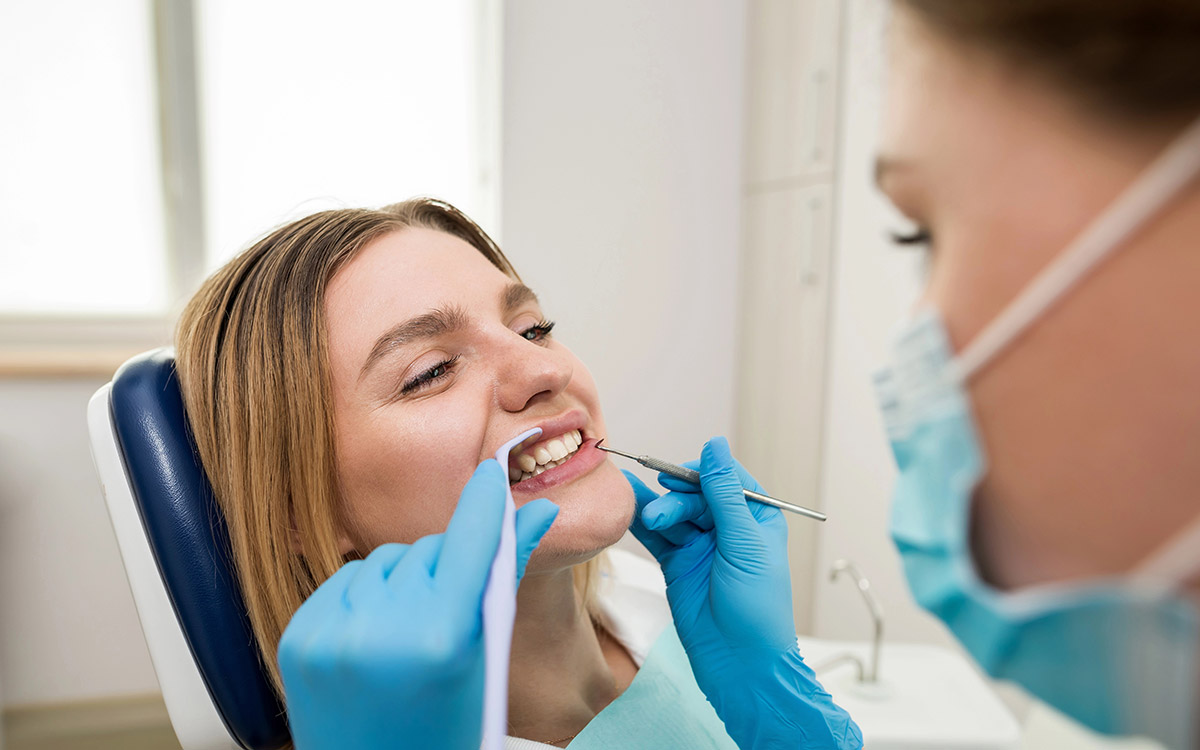

Understanding what causes sensitive teeth, why it happens, and how to find long-term relief.
Tooth sensitivity is one of the most common issues patients share during a dental visit. For some, it feels like a sudden, sharp twinge when biting into something cold or sweet. For others, it presents as a dull, lingering ache that flares up with hot drinks or even a rush of cold air. Sensitivity can appear gradually or seem to arrive overnight, but one thing is almost always true: it’s a sign that something beneath the surface has changed.
At All About Smile Dental Group, we help patients look beyond the discomfort to understand what the pain is really trying to communicate. Tooth sensitivity is not random and almost never meaningless. It is your mouth’s signal that enamel has weakened, gums have shifted, teeth are under stress, or decay is forming. When we identify the source, we can intervene early—and often eliminate the sensitivity altogether.
These guiding principles help us create personalized and effective solutions for every patient.
“Tooth sensitivity is a symptom, not a condition. Relief begins with uncovering the underlying cause.”
Why Teeth Become Sensitive: Understanding the Basic Mechanism
To appreciate why teeth react so strongly to temperature or certain foods, it helps to understand the structure of a tooth. The outer layer, enamel, is extremely strong and designed to protect the more delicate inner tissues. Beneath enamel lies dentin, which is filled with microscopic tubules that lead directly to the tooth’s nerve. When enamel thins or gums recede, these tubules become exposed and external stimuli—cold, heat, sweetness—reach the nerve more easily. That’s when sensitivity begins.
Everything that causes sensitivity ultimately ties back to this same mechanism: dentin exposure. The reasons behind that exposure, however, vary widely from patient to patient.
Enamel Erosion: When the Tooth’s Armor Wears Down
One of the most frequent causes of tooth sensitivity is enamel erosion. Enamel, though incredibly strong, can wear away slowly over time due to acid exposure, mechanical wear, or weakened structure. Many patients don’t realize their enamel has thinned until sensitivity becomes uncomfortable.
Acidic foods and drinks—such as citrus fruits, sparkling water, sodas, sports drinks, wine, and vinegary dressings—soften enamel, making it easier to wear away. Conditions like acid reflux and frequent snacking further increase the level of acid in the mouth. In some cases, the issue stems from brushing too aggressively, which scrubs enamel instead of gently cleaning it. As enamel erodes, the underlying dentin becomes vulnerable, and sensitivity follows.
Dentists typically recommend strengthening enamel with fluoride treatments, modifying diet, addressing gastric conditions like GERD if present, and using remineralizing products at home. In areas where erosion is severe, bonding materials can be applied to recreate lost structure and protect the tooth from future discomfort.
Gum Recession: A Common Source of Root Sensitivity
Another major cause of sensitivity is gum recession, a condition in which the gum tissue pulls away from the tooth and exposes the root surface. The roots of teeth are not protected by enamel. They are covered by cementum—a soft material that wears away easily—so once exposed, the root surface becomes extremely reactive to cold, touch, and acidic foods.
Gum recession develops for many reasons. Periodontal (gum) disease is the most common, as inflammation slowly damages the supporting tissues. But recession can also occur from brushing too hard, using a toothbrush with bristles that are too stiff, clenching or grinding teeth, or simply having naturally thinner gum tissue. For some patients, genetics plays a surprisingly large role.
Sensitivity caused by gum recession typically presents as quick, sharp pain along the gumline. Treatment may involve improving gum health through deep cleaning procedures, adjusting brushing techniques, applying desensitizing agents, or bonding over the exposed areas. In cases where recession is advanced, gum grafting procedures restore tissue coverage and dramatically reduce sensitivity.
Bruxism: Grinding Away the Tooth’s Protective Layers
Many patients are surprised to learn that nighttime teeth grinding—also called bruxism—is a significant cause of sensitivity. Grinding places immense pressure on the teeth, often wearing away enamel more rapidly than normal chewing would. Over time, the enamel becomes thin, tiny cracks develop, and the teeth begin to respond painfully to temperature changes.
People who grind their teeth often wake up with jaw tension, morning headaches, or a feeling that their teeth are sore. Sometimes, the only visible clue is flat or chipped biting surfaces. Even if patients are not aware of their habit, the symptoms are telling.
Treatment typically includes wearing a custom-fitted night guard to absorb pressure and prevent further enamel wear. In more severe cases, bite adjustments or muscle-relaxing therapies may be recommended. Once grinding is under control, sensitivity usually decreases as the teeth regain stability and protection.
Tooth Decay: When Sensitivity Signals an Early Cavity
While sensitivity doesn’t always mean decay, many cavities begin with mild sensitivity—especially to sweets. When bacteria break down food particles, they create acids that slowly dissolve enamel. As decay advances into dentin, the tooth becomes increasingly reactive and painful.
Cavities often start small and may be difficult to see without X-rays. Some patients notice a faint twinge when drinking something cold or biting into a sweet snack. Others feel sensitivity in one specific area but aren’t sure why. This is the ideal time to catch decay early, while it can still be restored with a small filling.
If decay progresses too far, larger restorations, crowns, or root canal therapy may be required. The key is identifying the issue early—before pain signals something more serious.
Damaged or Aging Dental Work: Time Can Increase Sensitivity
Old fillings, worn crowns, and cracked restorations can all contribute to sensitivity. Over time, the materials used in dental work expand, contract, or weaken. Tiny openings can form along the edges of fillings, allowing bacteria and temperature changes to irritate the tooth.
Many patients describe this type of sensitivity as inconsistent or localized to one tooth. Replacing the aging or damaged restoration typically resolves the issue quickly.
Whitening Products: A Common Temporary Irritant
Tooth whitening is safe and effective, but it can temporarily increase sensitivity because whitening agents penetrate enamel to brighten the underlying dentin. This process causes mild dehydration of the tooth, making nerves more reactive.
Not all whitening-related sensitivity is severe—some patients feel only slight discomfort—but others may feel sharp zings of pain during or after treatment. The good news is that this type of sensitivity is almost always temporary. Dentists can minimize discomfort by adjusting whitening strength, spacing out treatments, or applying professional desensitizers.
Cracked Teeth: Hidden Fractures That Trigger Pain
A cracked tooth can be hard to diagnose since the crack may be invisible and not show up on X-rays. But the symptoms are unmistakable: sudden pain when chewing, occasional sensitivity to cold, or pain when releasing bite pressure.
Cracks expose the nerve to movement or temperature changes. Depending on the depth and location, treatment may involve bonding, a crown, or a root canal. Leaving a cracked tooth untreated usually leads to worsening sensitivity and potential infection.
Gum Disease: Inflammation That Exposes the Tooth’s Most Vulnerable Areas
Gum disease doesn’t just affect the gums—it affects the teeth, bone, and supporting structures. As gum tissue becomes inflamed, pockets form around the teeth and expose areas that should remain covered. This exposure leads to sensitivity, bleeding, and discomfort.
Patients with periodontal disease often notice their teeth reacting strongly to cold water or cold air. Treating the gum infection is the first priority. Once inflammation is controlled and the gums begin to heal, sensitivity typically decreases significantly.
“Even long-standing sensitivity can be resolved once the tooth, gum, or enamel issue is properly treated.”
Acid Reflux and Systemic Conditions: Internal Factors That Wear Down Enamel
For patients dealing with acid reflux, chronic vomiting, or other gastrointestinal concerns, enamel erosion can occur even with an excellent brushing routine. Stomach acids are extremely strong and can weaken enamel each time reflux reaches the mouth.
This type of enamel wear usually appears on the backside of the teeth, especially the upper front teeth. Treating the underlying medical condition—and strengthening the enamel with fluoride therapy—is essential for reducing sensitivity linked to systemic causes.
Recent Dental Procedures: Temporary Sensitivity After Treatment
It is completely normal to experience minor sensitivity after dental work. Procedures such as fillings, cleanings, whitening, crowns, bonding, and periodontal therapy can temporarily irritate tooth nerves or reveal previously covered areas.
This sensitivity is usually mild and fades quickly. If it lingers, it’s always appropriate to return for evaluation.
Diagnosing Tooth Sensitivity: A Personalized Approach
At All About Smile Dental Group, we begin with a detailed evaluation to determine why sensitivity is happening. This often includes:
-
A thorough clinical exam
-
X-rays to check for decay or cracks
-
Assessment of brushing technique and enamel wear
-
Gum evaluation to identify recession or periodontal disease
-
Discussion of nighttime habits, dietary factors, and whitening history
By identifying the cause, we can tailor treatment to provide fast and lasting relief.
Conclusion: Tooth Sensitivity Is Treatable—and Often Preventable
Tooth sensitivity may feel frustrating, but it is rarely permanent and almost never untreatable. Once the underlying cause is identified—whether enamel erosion, gum recession, grinding, decay, or another factor—your dentist can create a customized plan to restore comfort and protect your smile.
At All About Smile Dental Group, our goal is to help every patient enjoy eating, drinking, and living without discomfort. With proper care, smart habits, and the right treatments, even longstanding sensitivity can be dramatically reduced or eliminated.