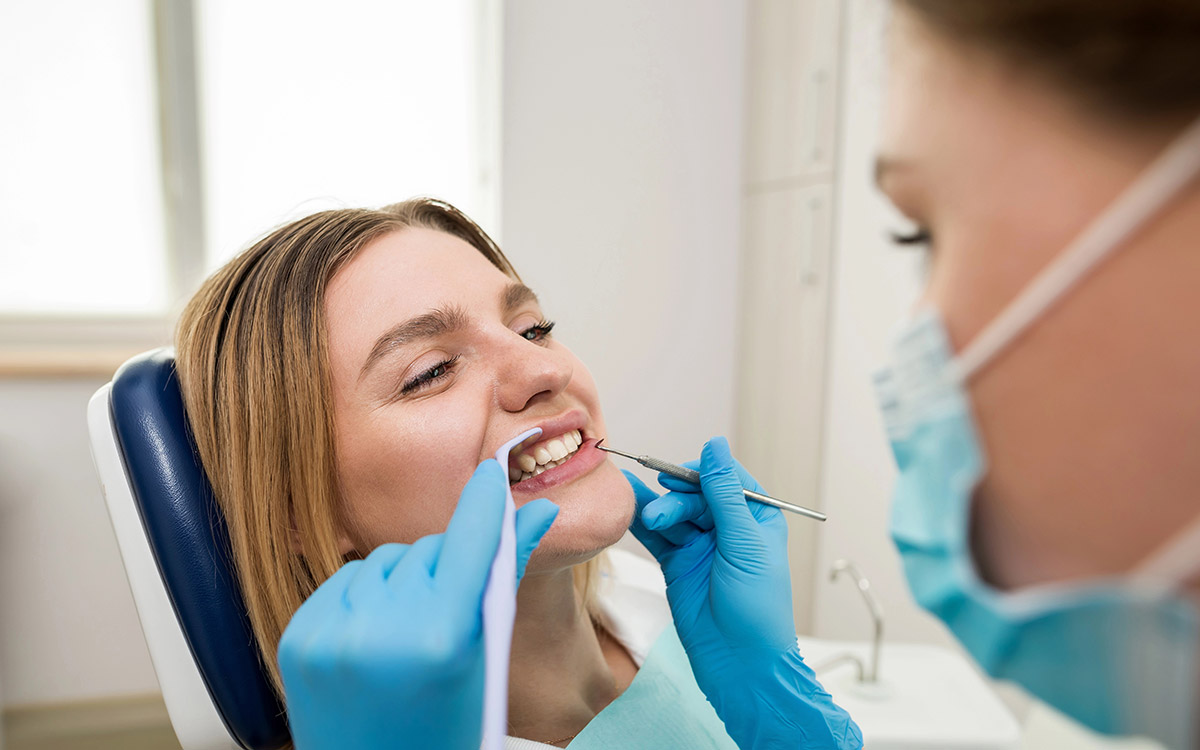

Understanding how everyday food and drink choices influence cavities, gum health, enamel strength, and long-term oral wellness is crucial.
Most people know that brushing, flossing, and regular dental cleanings are essential for a healthy smile. But one of the most powerful factors affecting your teeth is something you engage with multiple times a day: your diet. What you eat and drink doesn’t just influence your body—it transforms the environment inside your mouth, shaping everything from cavity risk to gum inflammation to enamel durability.
The mouth is the first stop for everything you consume. Your teeth, gums, and oral bacteria react instantly to sugars, acids, minerals, hydration levels, and even the frequency of eating. Understanding these reactions can help you make choices that support long-term dental health.
At All About Smile Dental Group, we help patients look beyond brushing habits to understand the full picture of oral wellness. Your diet is a powerful tool—and this guide explains how it can work for or against your smile.
These principles shape the foundation of understanding diet’s impact on your oral health.
“Every bite you take changes the chemistry of your mouth. Your diet can either strengthen your smile or slowly break it down.”
Sugar: The Leading Trigger for Cavities
Cavities do not form simply because sugar touches your teeth. They form when oral bacteria feed on the sugar and produce acid, which then erodes enamel.
How Sugar Causes Tooth Decay
The process happens in three steps:
-
You eat sugar (from candy, soda, desserts, bread, pasta, fruit juice, etc.).
-
Bacteria consume the sugar and rapidly multiply.
-
Bacteria produce acid, which dissolves mineral content in enamel.
Over time, frequent sugar exposure leads to:
-
Cavities
-
White-spot lesions (early decay)
-
Increased tooth sensitivity
-
Weakened enamel structure
Not All Sugary Foods Are Equal
The stickier or longer-lasting a food is, the more harmful it can be.
High-risk examples:
-
Caramel
-
Dried fruit
-
Gummy candies
-
Sweetened cereals
-
Sports drinks
-
Fruit juices
Sticky sugars cling to enamel and feed bacteria for extended periods, even if the total sugar amount is small.
Hidden Sugars Matter Too
Many foods marketed as “healthy” contain added sugars:
-
Granola
-
Protein bars
-
Yogurt with fruit
-
Smoothies
-
Sauces (BBQ, teriyaki, pasta sauce)
Reading labels can dramatically reduce sugar exposure—and cavity risk.
Acidic Foods and Drinks: The Enamel Eroders
Sugar feeds bacteria that produce acid. But many foods are already acidic before they enter your mouth.
Common Dietary Acids
-
Citrus fruits
-
Soda
-
Energy drinks
-
Sports drinks
-
Vinegar-based foods
-
Wine
-
Tomatoes
These acids soften enamel, making it more vulnerable to erosion.
Why Acid Is So Harmful
When enamel softens, it loses essential minerals. If the mouth doesn’t have time to recover, the enamel becomes:
-
Thin
-
Discolored
-
Sensitive
-
More prone to cracks and chips
In severe cases, erosion alters the shape and length of teeth.
Worst-Case Scenario: Acid + Sugar Together
Beverages like soda, sweetened iced tea, and energy drinks contain both acid and sugar. This creates a double assault:
-
Acid weakens enamel.
-
Sugar feeds bacteria that produce more acid.
These drinks are among the most destructive for oral health.
The Power of Saliva: Diet’s Secret Connection to Oral Defense
Saliva is one of your body’s greatest natural defenders against cavities. It:
-
Neutralizes acids
-
Washes away food particles
-
Delivers calcium and phosphate to remineralize enamel
-
Helps maintain a healthy pH balance
Your diet can strengthen or weaken this protective system.
Foods That Reduce Saliva Production
-
Alcohol
-
Caffeine
-
Very salty foods
-
Certain medications (exacerbated by dehydration)
Low saliva flow, known as dry mouth, significantly increases cavity risk.
Foods That Increase Saliva Flow
-
Sugar-free gum (especially with xylitol)
-
Crunchy fruits and vegetables
-
Water-rich foods
-
Foods requiring chewing effort
Chewing stimulates saliva, which helps your mouth clean itself between brushings.
“Good oral health is not only about what you eat but also about how often, how long it sits on your teeth, and how your mouth recovers afterward.”
The Frequency of Eating: Why Snacking Can Harm Oral Health
Many people understand that sugar causes damage—but few realize that frequency may matter even more than quantity.
Each time you eat—particularly carbohydrates—your mouth enters an acidic state for 20–40 minutes. If you snack throughout the day, your mouth never fully recovers.
High-Risk Eating Habits
-
Grazing all day
-
Sipping sugary drinks constantly
-
Using juice or soda as a “sipper”
-
Nighttime snacking
These behaviors keep enamel in a weakened state, making cavity formation much easier.
Better Approaches
-
Eat balanced meals rather than frequent snacks
-
Drink water between meals
-
Limit sugary foods to mealtimes, when saliva production is higher
-
Avoid sugary beverages as “all-day” drinks
Your teeth need downtime too—time to neutralize acid and rebuild minerals.
Foods That Protect and Strengthen Teeth
Not all foods are harmful. Some actively support dental health.
Calcium-Rich Foods (Essential for Strong Teeth)
-
Milk
-
Yogurt
-
Cheese
-
Leafy greens
-
Almonds
Calcium helps remineralize enamel and strengthen jawbone structure.
Phosphorus (Enamel Repair Partner)
Works with calcium to rebuild teeth.
-
Eggs
-
Lean meats
-
Nuts
-
Beans
-
Whole grains
Vitamin D (Helps the Body Absorb Calcium)
-
Fatty fish (salmon, tuna)
-
Fortified dairy
-
Sunlight exposure
Vitamin D deficiency contributes to weak enamel and gum inflammation.
Crunchy Fruits and Vegetables
-
Apples
-
Celery
-
Carrots
-
Cucumbers
These foods scrub teeth naturally while increasing saliva production.
Cheese: A Surprising Dental Superfood
Cheese raises your mouth’s pH and provides calcium and phosphate—making it one of the best snack options for your smile.
Diet and Gum Health: It’s Not Just About Cavities
Your gums reflect your overall diet more than most people realize.
Nutrients That Support Healthy Gums
-
Vitamin C: Prevents gum bleeding and inflammation
-
Omega-3 fatty acids: Reduces gum inflammation
-
Antioxidants: Found in berries, citrus, peppers, and leafy greens
A balanced diet supports the immune system, helping your body resist gum disease.
Foods That Increase Gum Inflammation
-
Highly processed foods
-
Sugary snacks
-
Alcohol
-
White bread and refined grains
These foods lead to increased plaque formation, which irritates the gums and can progress into gingivitis or periodontal disease.
Hydration and Oral Health: Water Is Your Best Friend
Water is one of the simplest and most effective tools for oral hygiene.
Benefits of Drinking Water Regularly
-
Washes away food particles
-
Dilutes acids
-
Keeps saliva production strong
-
Helps prevent dry mouth
-
Supports overall oral pH balance
Patients who struggle with cavities often significantly improve by simply increasing water intake and reducing sugary drinks.
Fluoridated Water
Fluoride strengthens enamel, making it more resistant to decay. Drinking fluoridated water is an easy, safe, and effective way to reinforce tooth structure daily.
Special Dietary Considerations for Children, Teens & Adults
Different life stages require different oral health strategies.
Children
-
Baby teeth are more vulnerable to decay
-
Juice exposure is a major cavity trigger
-
Frequent snacking increases risk
-
Sticky candies are especially harmful
Encouraging water and healthy snacks early builds long-term habits.
Teens
-
Sports drinks are a major enamel-eroding culprit
-
Orthodontic appliances trap food easily
-
Energy drinks combine sugar and acid
-
Ultra-processed diets increase plaque
Teens benefit greatly from reduced sugary beverages and improved brushing habits.
Adults
-
Coffee, wine, and acidic foods become more common
-
Medications may cause dry mouth
-
Oral health may decline with stress or poor sleep
-
Gum disease risk increases with age
Diet adjustments can help maintain strong enamel and healthy gums well into adulthood.
Conclusion: Every Choice Influences Your Smile
Your diet doesn’t just affect your body—it affects the health of your teeth and gums every single day. Understanding how sugar, acids, minerals, hydration, and eating frequency play a role empowers you to make choices that support your smile for life.
At All About Smile Dental Group, we believe oral health is a partnership. Brushing and flossing matter, but a thoughtful diet is equally important. By incorporating more tooth-friendly foods, limiting harmful habits, and staying mindful of what enters your mouth, you can prevent decay, strengthen enamel, and protect your gums for years to come.
A healthy diet truly is one of the most powerful tools in achieving a bright, strong, and confident smile.