How the way your teeth fit together influences comfort, function, and long-term oral health.
When people think about bite alignment, they often think about straight teeth and cosmetic appeal. While appearance is part of the picture, bite alignment plays a much broader role in oral health and daily comfort.
How the upper and lower teeth come together affects chewing efficiency, jaw function, muscle balance, and even posture. When alignment is off, the body often compensates in ways that create strain over time.
At All About Smile Dental Group, bite evaluation is considered an important part of comprehensive dental care.
Your bite influences how your mouth works, not just how it looks.
What Bite Alignment Really Means
Bite alignment refers to how the teeth meet when the mouth closes. Ideally, pressure is distributed evenly across the teeth, allowing for smooth chewing and balanced muscle activity.
When alignment is uneven, certain teeth absorb more force than others. This imbalance can lead to wear, discomfort, and functional issues.
Proper alignment supports efficient and comfortable movement.
Uneven Bite Can Cause Tooth Wear
Teeth are designed to handle chewing forces when pressure is balanced. When bite alignment is off, specific teeth may grind or collide excessively.
Over time, such behavior leads to enamel wear, flattened surfaces, or cracks. These changes often develop slowly and may not cause pain initially.
Early evaluation helps prevent progressive damage.
Jaw Strain and Muscle Tension
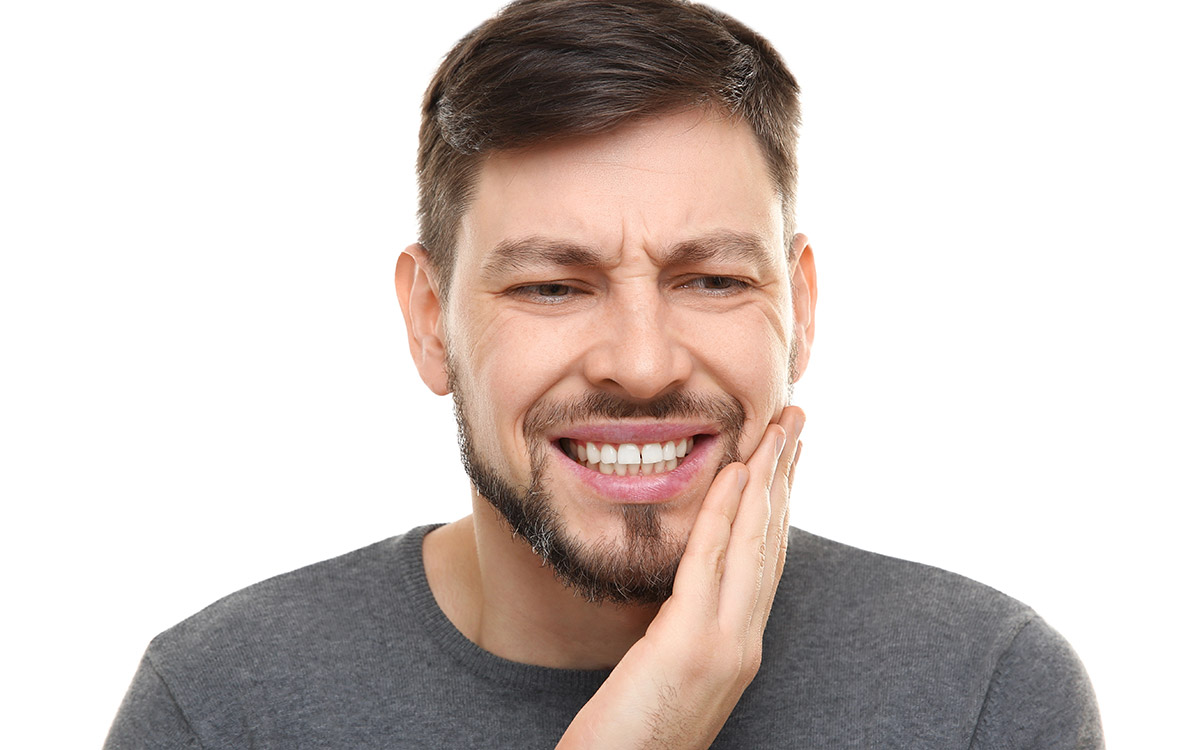
The jaw muscles work in coordination to open and close the mouth. An uneven bite can force these muscles to compensate, leading to fatigue or tension.
This strain may contribute to jaw soreness, headaches, or neck discomfort. Many people do not realize that bite alignment can be a contributing factor.
Balanced alignment supports muscle comfort.
Bite Issues Affect Chewing Efficiency
When teeth do not align properly, chewing becomes less efficient. Food may not break down evenly, placing extra stress on certain teeth.
Over time, inefficient chewing can affect digestion and increase the likelihood of tooth damage.
Proper alignment improves function and comfort during meals.
Bite Alignment and Gum Health
Uneven bite pressure can also affect gum health. Excess force on specific teeth may irritate surrounding gum tissue and supporting bone.
This localized stress can contribute to gum recession or bone loss if left unaddressed.
Balanced pressure supports stable gum support.
Alignment Changes Over Time
Bite alignment is not static. Teeth can shift gradually due to grinding, missing teeth, or changes in jaw structure.
Regular dental visits allow alignment changes to be monitored and addressed early.
Proactive care prevents small shifts from becoming larger problems.
Treatment Options Are Often Conservative
Correcting bite issues does not always require extensive treatment. Often, small adjustments, protective appliances, or targeted orthodontic care can restore balance.
Early intervention often allows for simpler solutions.
Personalized care ensures appropriate treatment.
Why Bite Evaluation Matters
Evaluating bite alignment helps identify issues before symptoms become disruptive. Many problems develop quietly until damage is significant.
Routine assessments support long-term comfort and tooth preservation.
Prevention begins with awareness.
Conclusion
Bite alignment affects far more than appearance. It influences how teeth wear, how muscles function, and how comfortable daily activities feel. Understanding and addressing alignment supports both oral health and overall comfort.
If you experience jaw discomfort, uneven tooth wear, or want a comprehensive bite evaluation, schedule a visit with All About Smile Dental Group to receive personalized guidance focused on long-term oral health.